Craving a slice of cheesy, delicious pizza but struggling with gluten intolerance? Look no further! This gluten free pizza dough recipe is your ticket to pizza night bliss. Forget store-bought dough that’s often bland and lifeless. This recipe delivers a flavorful, perfectly textured crust that even gluten-lovers will adore. As the weather cools and everyone craves comfort food, nothing beats a homemade pizza tailored to your favorite toppings. Get ready to unleash your inner pizzaiolo and create a masterpiece.
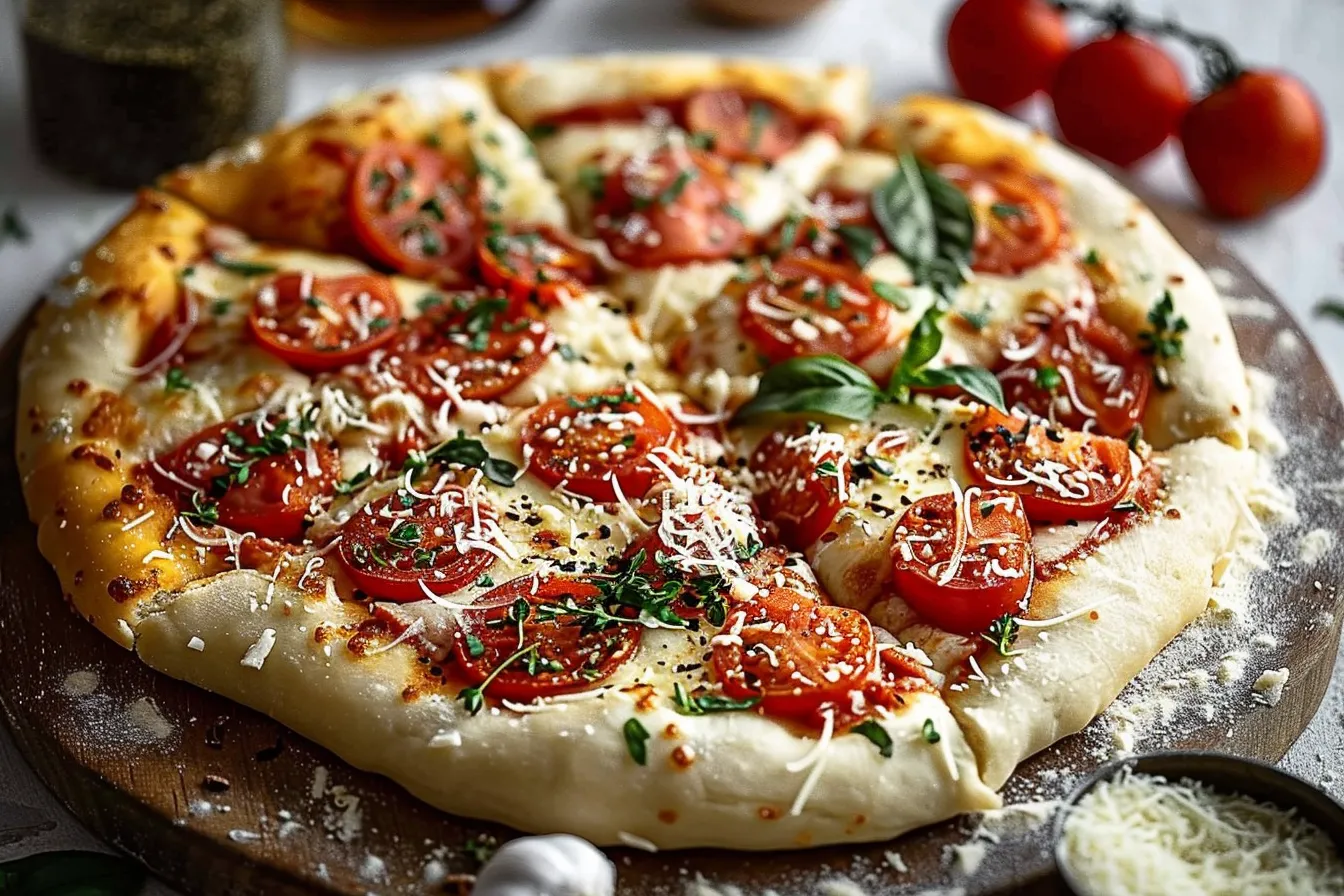
My journey to gluten-free pizza perfection started with countless failed attempts. Dough that was either too crumbly, too gummy, or just plain flavorless plagued my kitchen. But after years of experimenting with different gluten-free flours and techniques, I finally cracked the code. This recipe is the culmination of all that trial and error, designed to be foolproof and deliver consistent results every time. I’m excited to share my expert knowledge with you, so you can skip the frustration and jump straight to enjoying amazing gluten-free pizza.
The demand for gluten-free options is booming. Whether you’re dealing with celiac disease, gluten sensitivity, or simply prefer to avoid gluten, you deserve a pizza that tastes just as good (or even better!) than the real deal. This gluten free pizza dough recipe is easy to follow, customizable, and guaranteed to satisfy your pizza cravings. Let’s get started!
Ingredients for the Best Gluten Free Pizza Dough
The right ingredients are crucial for a successful gluten free pizza dough. Here’s a breakdown of what you’ll need and why it matters:
- Gluten-Free All-Purpose Flour Blend: This is the foundation of your dough. Look for a blend that contains xanthan gum, as it acts as a gluten replacement, providing structure and elasticity. Not all blends are created equal, so choose one you trust.
- Tapioca Starch (or Arrowroot Starch): This helps create a light and airy texture. It adds chewiness and prevents the dough from becoming too dense.
- Brown Rice Flour: Brown rice flour lends a slightly nutty flavor and contributes to the overall structure of the dough.
- Instant Yeast: Instant yeast is easy to use and doesn’t require proofing beforehand. It provides the leavening power that makes the dough rise.
- Sugar: A small amount of sugar helps activate the yeast and adds a touch of sweetness to the crust.
- Salt: Salt enhances the flavors of the other ingredients and controls the yeast activity.
- Olive Oil: Olive oil adds richness, flavor, and moisture to the dough. It also helps create a crispy crust.
- Warm Water: The water needs to be warm (around 105-115°F) to activate the yeast. Too hot, and you’ll kill the yeast; too cold, and it won’t activate properly.
- Xanthan Gum: If your gluten-free flour blend doesn’t contain xanthan gum, you’ll need to add it separately. Xanthan gum is essential for binding the ingredients together and preventing the dough from becoming crumbly.
Ingredient Science: Xanthan gum, a polysaccharide, is critical in gluten-free baking because it mimics gluten’s ability to create structure and elasticity. It essentially holds the dough together, preventing it from crumbling and giving it that desirable chewy texture. Different starches, such as tapioca and arrowroot, offer varying degrees of elasticity and binding properties, allowing you to fine-tune your crust’s texture.
Substitution Tips: If you don’t have brown rice flour, you can substitute it with sorghum flour or millet flour. For a dairy-free option, use plant-based milk instead of water (although water generally works best for this recipe). Always ensure your gluten-free flour blend is certified gluten-free to avoid cross-contamination
Expert Tips for the Perfect Gluten Free Pizza
These expert tips, gleaned from my countless batches of gluten free pizza dough, will help you achieve pizza perfection every time:
- Don’t Overmix: Overmixing can lead to a tough crust. Mix the dough until just combined. It will be sticky, and that’s okay!
- Use a Stand Mixer (If Possible): A stand mixer makes the process much easier, but you can definitely make this dough by hand.
- Let the Dough Rest: Resting the dough allows the starches to hydrate fully, resulting in a better texture.
- Preheat Your Oven and Pizza Stone: A hot oven and pizza stone are essential for a crispy crust. Preheat them for at least 30 minutes before baking.
- Use Parchment Paper: Rolling out the dough on parchment paper makes it easier to transfer to the pizza stone.
- Don’t Overload the Toppings: Too many toppings can make the crust soggy. Less is more!
- Experiment with Different Flours: Once you’ve mastered the basic recipe, try experimenting with different gluten-free flours to find your favorite flavor and texture.
Personal Testing Notes: I’ve found that using a combination of tapioca starch and arrowroot starch yields the best texture. Also, adding a tablespoon of psyllium husk powder can improve the elasticity of the dough. Remember, gluten free pizza dough requires a slightly different approach than traditional dough, so be patient and don’t be afraid to experiment.
Pro Insights: For a truly authentic pizza experience, consider investing in a pizza steel instead of a pizza stone. Steel heats up faster and more evenly, resulting in a crispier crust. Also, using a pizza peel makes transferring the pizza to and from the oven much easier and safer.
Storage and Ingredient Substitutions
Proper storage ensures your gluten free pizza dough stays fresh and ready for your next pizza night. Also, this section explains common ingredient swaps:
- Storing Unbaked Dough: Wrap the dough tightly in plastic wrap and store it in the refrigerator for up to 24 hours. You can also freeze the dough for up to 2 months. Thaw it in the refrigerator overnight before using.
- Storing Baked Pizza: Store leftover pizza in an airtight container in the refrigerator for up to 3 days. Reheat in the oven or microwave.
Ingredient Substitutions:
- Gluten-Free Flour Blend: If you can’t find a pre-made blend, you can create your own by combining brown rice flour, tapioca starch, potato starch, and xanthan gum.
- Tapioca Starch: Substitute with arrowroot starch or cornstarch.
- Brown Rice Flour: Substitute with sorghum flour or millet flour.
- Instant Yeast: Substitute with active dry yeast. You’ll need to proof it in warm water with sugar for 5-10 minutes before adding it to the other ingredients.
- Olive Oil: Substitute with any other vegetable oil.
Frequently Asked Questions About Gluten Free Pizza Dough
Why is my gluten free pizza dough so sticky?
Gluten-free dough is naturally stickier than traditional dough because it lacks gluten, which provides structure. Don’t be tempted to add more flour, as this can result in a dry and crumbly crust. Embrace the stickiness and use plenty of flour on your hands and work surface when handling the dough.
Can I make this dough without xanthan gum?
Xanthan gum is essential for gluten-free baking because it acts as a gluten replacement, providing structure and elasticity. Without it, your dough will likely be crumbly and difficult to work with. If your gluten-free flour blend already contains xanthan gum, you don’t need to add extra.
How do I get a crispy gluten free pizza crust?
A hot oven and pizza stone are key to achieving a crispy crust. Preheat them for at least 30 minutes before baking. Also, avoid overloading the pizza with toppings, as this can make the crust soggy. Baking the crust for a few minutes before adding toppings can also help.
Can I use a regular oven instead of a pizza stone?
While a pizza stone is ideal, you can definitely use a regular baking sheet. Preheat the baking sheet in the oven before placing the pizza on it for a similar (though slightly less effective) result.
How do I prevent my gluten free pizza crust from being gummy?
Overmixing the dough or using too much liquid can result in a gummy crust. Mix the dough until just combined and be careful not to add too much water. Letting the dough rest also helps the starches fully hydrate, preventing gumminess.
Can I make this dough ahead of time?
Yes, you can make the dough ahead of time and store it in the refrigerator for up to 24 hours or in the freezer for up to 2 months. Thaw frozen dough in the refrigerator overnight before using. This makes pizza night even easier!
What’s the best gluten-free flour blend to use?
There are many great gluten-free flour blends on the market. Look for one that contains xanthan gum and is specifically designed for baking. Experiment with different brands to find one you like best. Some popular options include Bob’s Red Mill Gluten Free All-Purpose Baking Flour and King Arthur Gluten-Free Measure for Measure Flour.
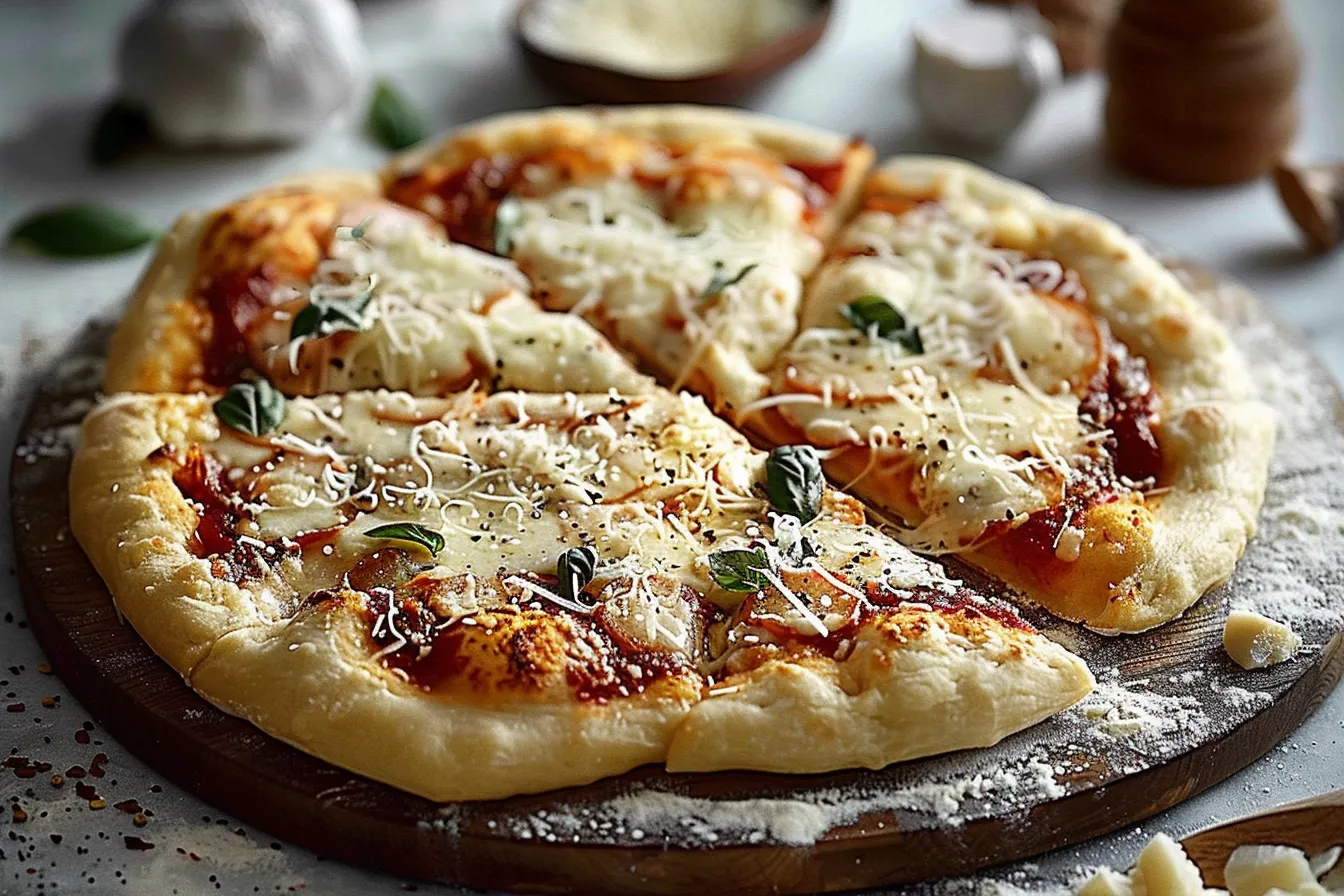
Your Gluten Free Pizza Journey Starts Now!
This gluten free pizza dough recipe is your gateway to delicious, homemade pizza without the gluten. With the right ingredients, techniques, and a little patience, you can create a pizza that rivals your favorite pizzeria. Don’t be afraid to experiment with different toppings and flavors to create your signature pizza masterpiece.
Ready to embark on your gluten-free pizza adventure? Grab your ingredients, follow the steps, and prepare to be amazed by the results. And once you’ve mastered this pizza dough, explore other gluten-free recipes like Gluten-Free Chocolate Chip Cookies, Easy Gluten-Free Brownies, or even Gluten-Free Pasta! Don’t forget to share your pizza creations with us on social media using #glutenfreepizza! We can’t wait to see what you come up with! Happy baking!
`
Easiest GlutenFree Pizza Dough EVER

Easiest Gluten Free Pizza Dough Make delicious pizza at home with this simple recipe Perfect for glutenfree diets Try it today
- Prep Time: 20 minutes
- Cook Time: 20 minutes
- Total Time: 40 minutes
- Yield: 1 12-inch pizza
- Category: Pizza
- Cuisine: Italian
- Diet: Gluten-Free