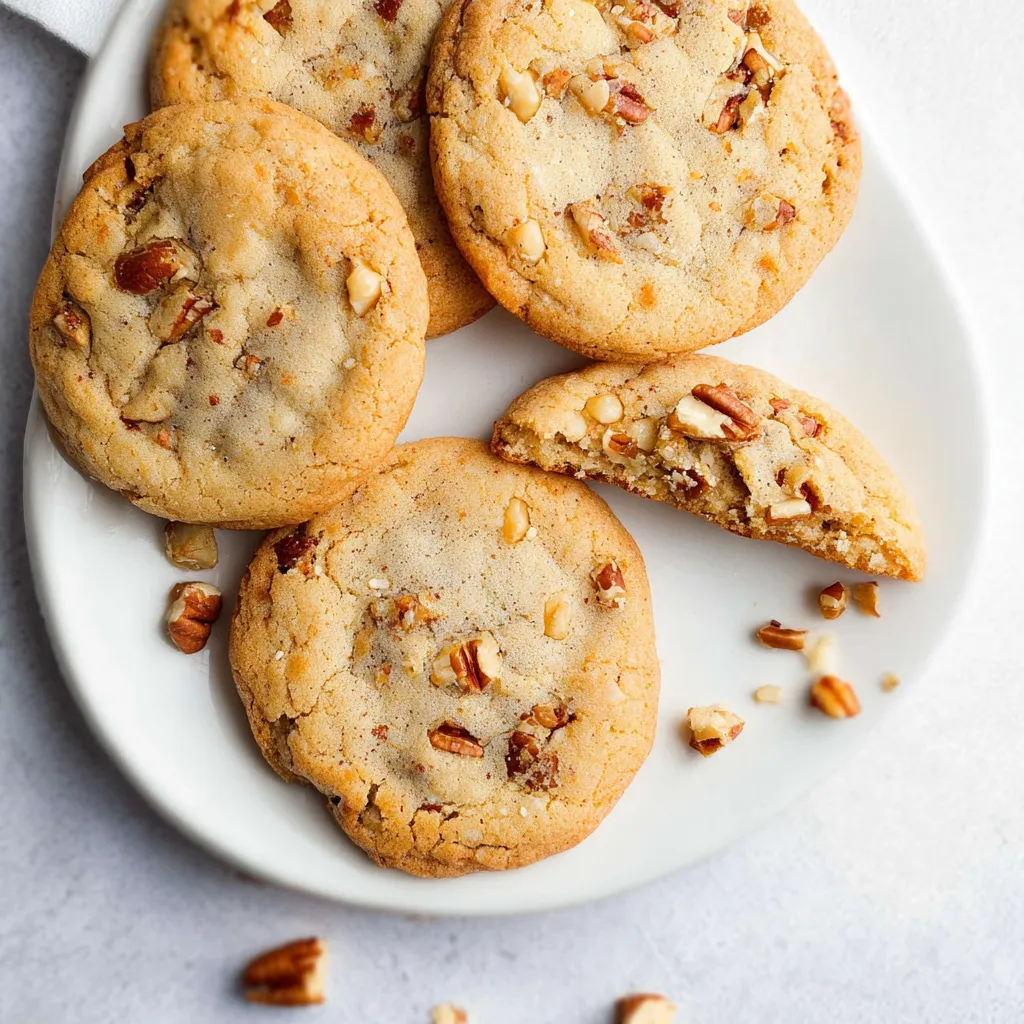
Is there anything more comforting than the delicate, melt-in-your-mouth goodness of a classic butter cookie? These cookies, with their simple elegance and rich, buttery flavor, are a year-round favorite, but they truly shine during the holiday season. Picture this: the aroma of vanilla and butter filling your kitchen, the satisfying snap as you break a perfectly baked cookie, and the smiles on the faces of your loved ones as they savor each bite. This recipe is more than just instructions; it’s a journey into creating edible happiness, perfect for sharing during the holidays or simply enjoying with a cup of tea on a cozy afternoon. Whether you’re a seasoned baker or just starting out, this recipe promises foolproof results and cookies that will disappear faster than you can say “butter.”

I’ve been baking for over 15 years, and butter cookies are a staple in my repertoire. I’ve tweaked and perfected this recipe over time, using my knowledge of ingredient science to ensure the perfect texture and flavor every single time. We’re diving into the science of butter, sugar, and flour to unlock the secrets to buttery perfection.
Ingredients: The Building Blocks of Buttery Bliss
The quality of your ingredients is paramount when making butter cookies. Let’s break down each ingredient and discuss why it matters:
- Unsalted Butter: The star of the show! Unsalted butter allows you to control the amount of salt in your recipe. Butter provides the richness and tenderness that defines these cookies. European-style butter, with its higher fat content, will result in an even more decadent cookie.
- Granulated Sugar: Adds sweetness and contributes to the cookie’s crisp edges. The sugar crystals dissolve during baking, creating a delicate texture.
- Powdered Sugar (Confectioners’ Sugar): Powdered sugar helps create a tender crumb and contributes to the cookie’s melt-in-your-mouth texture. Its fine texture blends seamlessly with the butter.
- Egg Yolk: Adds richness, moisture, and helps bind the ingredients together. The yolk also contributes to the cookie’s signature color.
- Vanilla Extract: Enhances the overall flavor profile. Use pure vanilla extract for the best results – the difference is noticeable!
- All-Purpose Flour: Provides structure to the cookies. Be careful not to overmix the dough once you add the flour, as this can lead to tough cookies.
- Salt: Balances the sweetness and enhances the other flavors. A pinch of salt is essential in any baking recipe.
Ingredient Substitutions:
- Dairy-Free: Use a high-quality plant-based butter alternative. Look for one with a high fat content, similar to butter, for best results.
- Sugar-Free: Substitute with a granulated sugar alternative like erythritol or monk fruit sweetener, but be aware that this might affect the texture slightly. You may need to adjust the liquid in the recipe. Powdered sugar substitutes are also available.
- Gluten-Free: Use a 1:1 gluten-free all-purpose flour blend. Look for blends that contain xanthan gum, as this will help bind the ingredients together.
Expert Tips for Butter Cookie Perfection
Here are some of my personal tips, honed through years of baking, to ensure your butter cookies turn out perfect every time:
- Chill the Dough: This is crucial! Chilling the dough allows the gluten to relax, preventing tough cookies. It also helps the cookies hold their shape during baking. I recommend chilling for at least 2 hours, or even overnight.
- Don’t Overmix: Overmixing develops the gluten in the flour, resulting in tough cookies. Mix until just combined.
- Room Temperature Butter: Make sure your butter is softened to room temperature but still cool. It should be soft enough to press a finger into, but not greasy.
- Even Baking: Use an oven thermometer to ensure your oven is at the correct temperature. Rotate the baking sheet halfway through baking for even browning.
- Decorating: Get creative with your decorations! Use sprinkles, sanding sugar, melted chocolate, or royal icing to add a festive touch.
- Cookie Cutters: Dip your cookie cutters in flour before each cut to prevent sticking.
Storage and More Baking Tips
Proper storage is key to keeping your butter cookies fresh and delicious.
Storage:
- Airtight Container: Store baked butter cookies in an airtight container at room temperature. They will stay fresh for up to 5 days.
- Freezing: For longer storage, you can freeze the cookies for up to 2 months. Place them in a single layer on a baking sheet to freeze, then transfer them to a freezer-safe bag or container.
- Freezing Dough: You can also freeze the cookie dough. Wrap it tightly in plastic wrap and then place it in a freezer-safe bag. Thaw the dough in the refrigerator overnight before rolling and baking.
Baking Tips and Variations:
- Citrus Zest: Add lemon, orange, or lime zest to the dough for a bright, zesty flavor.
- Almond Extract: Substitute a teaspoon of vanilla extract with almond extract for a nutty flavor.
- Chocolate Chip: Add mini chocolate chips to the dough for a chocolatey twist.
- Spiced Butter Cookies: Incorporate ground cinnamon, nutmeg, or cardamom for a warm, spiced flavor. Perfect for the holidays!
FAQ: Your Butter Cookie Questions Answered
Why are my butter cookies flat?
Flat butter cookies are usually caused by butter that is too soft or warm. Make sure your butter is softened to room temperature but still cool. Chilling the dough thoroughly before baking is also crucial. Additionally, overmixing can contribute to flat cookies.
Why are my butter cookies tough?
Tough butter cookies are typically the result of overmixing the dough. Overmixing develops the gluten in the flour, leading to a tough texture. Mix the dough until just combined.
How do I prevent my butter cookies from spreading?
Chilling the dough is the best way to prevent spreading. This allows the gluten to relax and the butter to solidify. Also, make sure your oven is at the correct temperature, as too low of a temperature can cause spreading.
Can I make butter cookies without eggs?
Yes, you can make butter cookies without eggs. Replace the egg yolk with a tablespoon of milk or cream. Be aware that the cookies may be slightly more crumbly.
What’s the best way to decorate butter cookies?
There are many ways to decorate butter cookies! Royal icing is a classic choice, but you can also use melted chocolate, sprinkles, sanding sugar, or even edible glitter. Get creative and have fun!
Can I use salted butter instead of unsalted butter?
Yes, you can use salted butter, but you’ll need to reduce the amount of salt in the recipe. As a general rule, reduce the salt by half. Keep in mind that the flavor will be slightly different.
How long does butter cookie dough last in the refrigerator?
Butter cookie dough can last in the refrigerator for up to 3 days. Make sure to wrap it tightly in plastic wrap to prevent it from drying out.
Bake, Share, and Enjoy!
Butter cookies are a timeless treat that brings joy to any occasion. With this recipe and these tips, you’re well on your way to creating buttery masterpieces that will impress your friends and family. Don’t be afraid to experiment with different flavors and decorations to make them your own. Now, go ahead, preheat that oven, and let the baking begin! Share your creations with us on social media using #ButterCookieBliss – we can’t wait to see what you bake!
PrintButter Cookies

Easy BUTTER COOKIES recipe Delight in meltinyourmouth goodness with minimal effort Perfect for any occasion Try it today
- Prep Time: 20 minutes
- Cook Time: 12 minutes
- Total Time: 32 minutes
- Yield: 24 cookies
- Category: Cookie
- Cuisine: American
Ingredients
- 1 cup (2 sticks) unsalted butter, softened
- 1/2 cup granulated sugar
- 1/4 cup powdered sugar
- 1 large egg yolk
- 1 teaspoon vanilla extract
- 2 1/4 cups all-purpose flour
- 1/4 teaspoon salt
Instructions
- In a large bowl, cream together the softened butter, granulated sugar, and powdered sugar until light and fluffy.
- Beat in the egg yolk and vanilla extract until well combined.
- Gradually add the flour and salt, mixing until just combined. Be careful not to overmix.
- Form the dough into a disc, wrap it tightly in plastic wrap, and chill for at least 2 hours, or preferably overnight.
- Preheat oven to 375°F (190°C). Line a baking sheet with parchment paper.
- On a lightly floured surface, roll out the dough to about 1/4 inch thickness.
- Use cookie cutters to cut out desired shapes. Dip cookie cutters in flour to prevent sticking.
- Place cookies onto the prepared baking sheet, leaving a little space between each cookie.
- Bake for 10-12 minutes, or until the edges are lightly golden brown.
- Let the cookies cool on the baking sheet for a few minutes before transferring them to a wire rack to cool completely. Decorate as desired.