Imagine sinking your teeth into a warm, soft dinner roll that’s perfectly golden brown and melts in your mouth. Now, imagine that it’s completely gluten-free! For years, finding a truly satisfying gluten-free dinner roll felt like chasing a culinary unicorn. But fear not, fellow gluten-free adventurers! This recipe for the BEST Gluten-Free Dinner Rolls delivers on its promise: impossibly soft, incredibly fluffy, and bursting with flavor. With the holidays approaching and gatherings on the horizon, having a reliable gluten-free roll recipe is essential for inclusive and delicious meals. Get ready to impress your friends and family with these game-changing rolls – they’ll never guess they’re gluten-free!
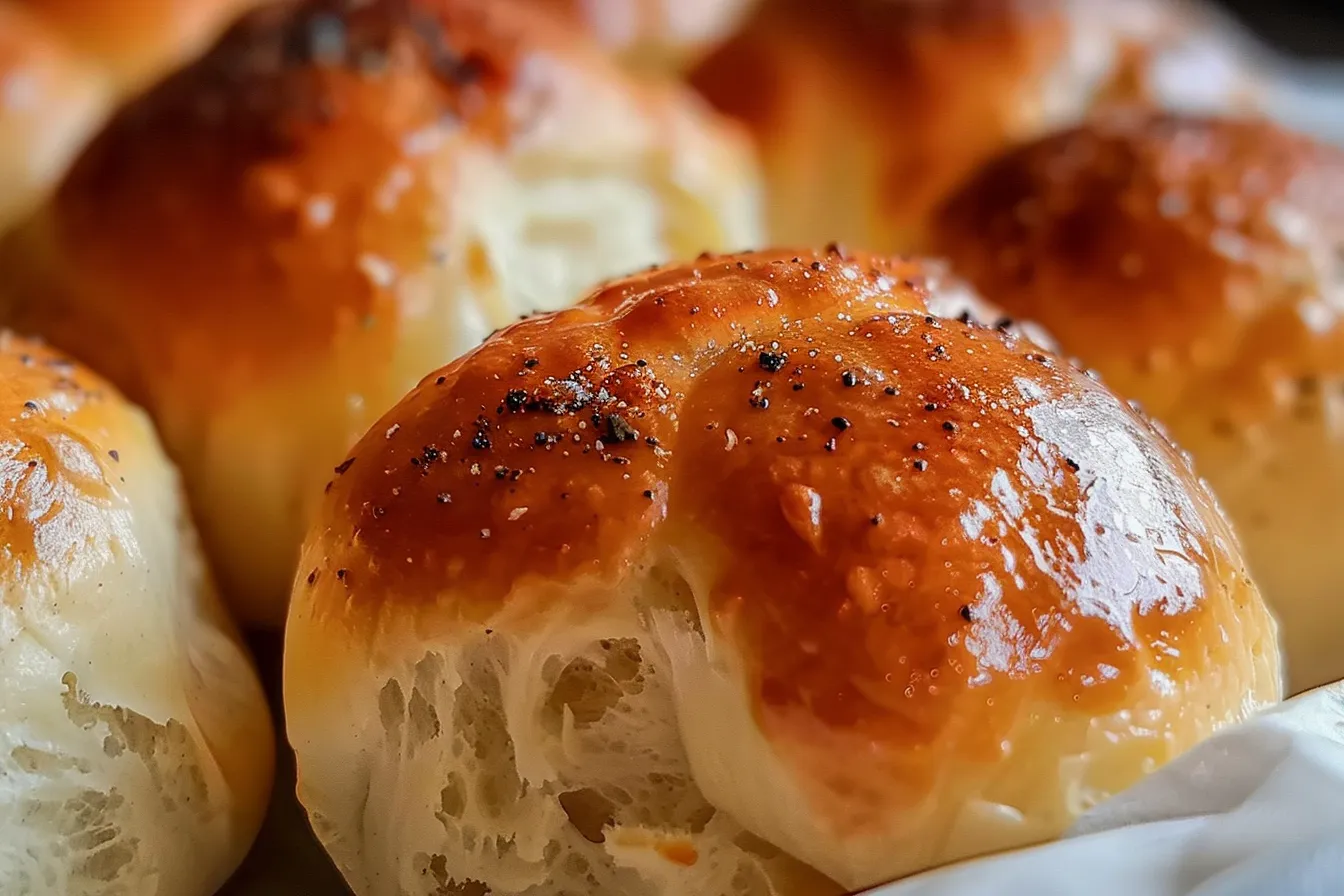
My journey into gluten-free baking started out of necessity. A family member was diagnosed with celiac disease, and I became determined to recreate all their favorite comfort foods without gluten. After countless experiments (and some less-than-stellar results!), I’ve developed a knack for understanding the science behind gluten-free flours and how to achieve the perfect texture. This recipe is the culmination of years of testing and tweaking, and I’m confident that it will become a staple in your gluten-free kitchen, too. With the increasing demand for gluten-free options, and using readily available ingredients, this recipe is the answer.
Ingredients for Perfect Gluten-Free Rolls
Let’s break down the key ingredients that make these gluten-free dinner rolls so exceptional. Each component plays a crucial role in achieving the desired texture and flavor.
- Gluten-Free All-Purpose Flour Blend: This is the foundation of our rolls. It’s important to use a blend that contains xanthan gum, which acts as a gluten substitute, providing structure and binding. I recommend a blend specifically designed for baking, such as King Arthur Measure for Measure Gluten-Free Flour or Bob’s Red Mill Gluten-Free 1-to-1 Baking Flour.
- Tapioca Starch/Flour: Tapioca starch contributes to the chewiness and elasticity of the rolls. It also helps to create a light and airy texture.
- Potato Starch: Potato starch adds softness and moisture to the rolls, preventing them from becoming dry or crumbly.
- Granulated Sugar: Sugar not only adds sweetness but also feeds the yeast, helping the rolls to rise properly.
- Instant Yeast: Instant yeast, also known as rapid-rise yeast, is my preferred choice because it can be added directly to the dry ingredients without needing to be proofed first. This simplifies the process and ensures consistent results.
- Salt: Salt enhances the flavor of the rolls and also controls the yeast activity, preventing over-proofing.
- Warm Milk or Non-Dairy Milk: Warm milk provides the ideal environment for the yeast to activate and rise. Use a temperature between 105-115°F (40-46°C) for best results. If using a non-dairy milk like almond milk, soy milk, or oat milk, ensure it’s unsweetened and unflavored.
- Eggs: Eggs contribute to the richness, flavor, and structure of the rolls. They also help to bind the ingredients together.
- Melted Butter or Dairy-Free Butter: Butter adds flavor and tenderness to the rolls. You can use regular butter or a dairy-free alternative like Miyoko’s Kitchen Cultured Vegan Butter.
- Apple Cider Vinegar: A small amount of apple cider vinegar helps to tenderize the dough and improve its texture. The acidity also helps with the rise.
- Xanthan Gum: If your gluten-free flour blend doesn’t already contain xanthan gum, you’ll need to add it separately. Xanthan gum is essential for providing structure and preventing the rolls from crumbling.
Substitution Tips:
- For Egg-Free Rolls: Substitute the eggs with flax eggs (1 tablespoon ground flaxseed mixed with 3 tablespoons water per egg). Let the mixture sit for 5 minutes to thicken before adding it to the dough.
- For Dairy-Free Rolls: Use a dairy-free milk alternative and dairy-free butter substitute.
- For a Sweeter Roll: Increase the sugar by 1-2 tablespoons for a sweeter flavor profile.
Expert Tips for Gluten-Free Baking Success
Gluten-free baking can be a bit different from traditional baking, but with these expert tips, you’ll be well on your way to achieving perfect gluten-free dinner rolls every time.
- Don’t Overmix: Overmixing gluten-free dough can result in tough rolls. Mix the ingredients until just combined.
- Use a Stand Mixer (Optional): A stand mixer with a dough hook attachment can make the kneading process easier, but it’s not essential. You can also knead the dough by hand on a lightly floured surface.
- Proof in a Warm Place: Place the dough in a warm, draft-free place to rise. A slightly warm oven (turned off) or a sunny spot in your kitchen can work well.
- Don’t Over-Proof: Gluten-free dough doesn’t rise as much as traditional dough. Over-proofing can result in flat rolls. Proof until the rolls have slightly increased in size, about 30-45 minutes.
- Bake Until Golden Brown: Bake the rolls until they are golden brown on top and sound hollow when tapped.
- Brush with Melted Butter: Brushing the baked rolls with melted butter adds flavor and shine.

FAQ: Your Gluten-Free Roll Questions Answered
Here are some frequently asked questions about making gluten-free dinner rolls:
Can I make these rolls ahead of time?
Yes, you can make the dough ahead of time and store it in the refrigerator for up to 24 hours. Let the dough come to room temperature before shaping and baking.
Can I freeze these rolls?
Yes, you can freeze the baked rolls for up to 2 months. Wrap them tightly in plastic wrap and then place them in a freezer-safe bag. Thaw at room temperature before serving.
What if my dough is too sticky?
Gluten-free dough is often stickier than traditional dough. Lightly flour your hands and work surface to prevent the dough from sticking. You can also add a tablespoon or two of additional gluten-free flour if needed, but be careful not to add too much, as this can make the rolls dry.
Why didn’t my rolls rise?
There are several reasons why your rolls may not have risen: The yeast may have been old or inactive, the milk may not have been warm enough, or the dough may not have been proofed in a warm enough place. Make sure to use fresh yeast, warm the milk to the correct temperature, and proof the dough in a warm, draft-free area.
Can I use a different gluten-free flour blend?
While I recommend using a gluten-free flour blend specifically designed for baking, you can experiment with other blends. However, keep in mind that the results may vary. Some blends may require more or less liquid, so adjust the recipe accordingly.
How do I get a nice crust on my gluten-free rolls?
Brushing the rolls with an egg wash before baking can help to create a golden brown and slightly crispy crust. You can also bake the rolls in a preheated oven at a slightly higher temperature (e.g., 400°F) for the last few minutes of baking to promote browning.
Bake Your Best Gluten-Free Rolls Today!
These BEST Gluten-Free Dinner Rolls are a game-changer for anyone following a gluten-free diet or simply looking for a healthier alternative to traditional rolls. With their soft, fluffy texture and delicious flavor, they’re the perfect addition to any meal, from weeknight dinners to holiday feasts. Don’t let gluten hold you back from enjoying the simple pleasure of a warm, homemade dinner roll. Give this recipe a try, and I promise you’ll be amazed at the results. Remember, success in gluten-free baking comes from understanding your ingredients and following the steps carefully.
PrintGluten-Free Dinner Rolls

BEST GLUTEN FREE DINNER ROLLS Soft delicious easy to make Enjoy warm rolls everyone will love Try it today
- Prep Time: 20 minutes
- Cook Time: 20 minutes
- Total Time: 40 minutes
- Yield: 12 rolls
- Category: Bread
- Cuisine: American
Ingredients
- 2 1/2 cups Gluten-Free All-Purpose Flour Blend (with xanthan gum)
- 1/4 cup Tapioca Starch/Flour
- 1/4 cup Potato Starch
- 2 tablespoons Granulated Sugar
- 2 1/4 teaspoons Instant Yeast
- 1 teaspoon Salt
- 1 cup Warm Milk or Non-Dairy Milk (105-115°F)
- 2 large Eggs
- 4 tablespoons Melted Butter or Dairy-Free Butter
- 1 teaspoon Apple Cider Vinegar
- 1/2 teaspoon Xanthan Gum (if not in flour blend)
Instructions
- Preheat oven to 375°F (190°C).
- In a large bowl, whisk together gluten-free flour blend, tapioca starch, potato starch, sugar, yeast, salt, and xanthan gum (if using).
- In a separate bowl, whisk together warm milk, eggs, melted butter, and apple cider vinegar.
- Add the wet ingredients to the dry ingredients and mix until just combined. Do not overmix.
- Lightly flour your hands and work surface. Turn the dough out onto the floured surface and gently knead for a few seconds to form a smooth ball.
- Divide the dough into 12 equal portions. Shape each portion into a round roll.
- Place the rolls in a greased 9×13 inch baking dish, leaving a little space between each roll.
- Cover the baking dish with plastic wrap or a clean kitchen towel and let the rolls rise in a warm place for 30-45 minutes, or until they have slightly increased in size.
- Bake for 20-25 minutes, or until the rolls are golden brown on top and sound hollow when tapped.
- Brush the baked rolls with melted butter or dairy-free butter.
- Let the rolls cool slightly before serving.
Notes
This recipe for the BEST Gluten-Free Dinner Rolls delivers on its promise: impossibly soft, incredibly fluffy, and bursting with flavor. Perfect for holidays and gatherings!