There’s nothing quite like the aroma of freshly baked bread wafting through your home, especially when that bread is a soft, fluffy, and utterly delicious gluten-free creation. This gluten free potato bread recipe transforms humble potatoes into a culinary masterpiece. As the leaves change and the air turns crisp, thoughts turn to comfort food, and this potato bread delivers warmth and satisfaction with every bite. It’s also naturally gluten-free, offering a delicious alternative to traditional wheat-based breads. Share this loaf with friends and family; even those who aren’t gluten-free will be reaching for a second slice!
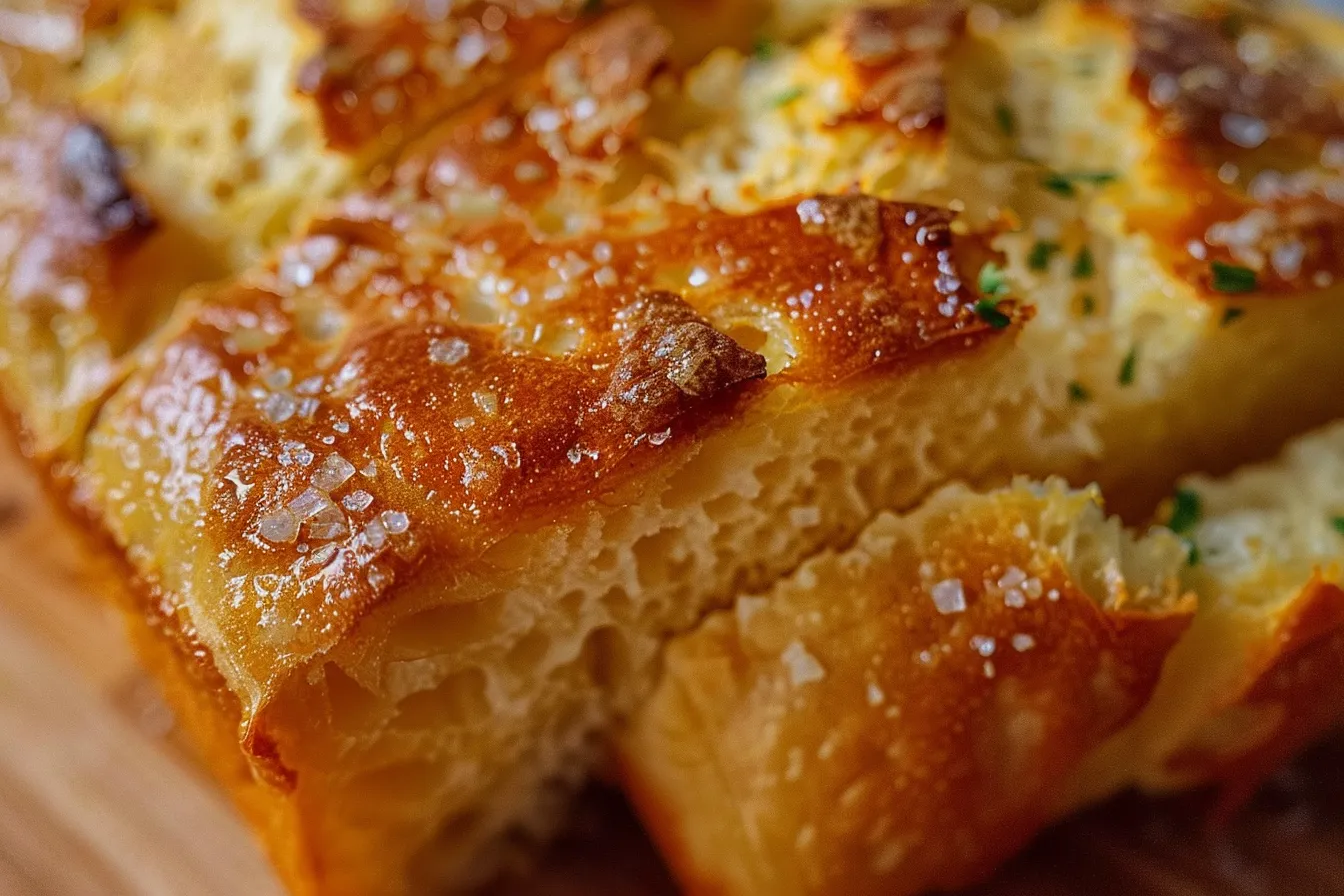
I’ve spent years perfecting gluten-free baking, driven by a passion to create delicious, allergy-friendly versions of classic comfort foods. Many of my friends and family members avoid gluten, and I wanted them to experience the joy of a truly great slice of bread. This recipe is the result of countless trials, tweaks, and taste tests. Baking with gluten-free flours can be tricky, but with this recipe, even novice bakers can achieve bakery-worthy results. We’re leveraging the natural starches and moisture in potatoes to create a loaf that’s not only gluten-free, but also boasts a remarkably soft and tender texture. This recipe taps into the fall season’s focus on baking and comforting carbs, making it perfect for those seeking a simple yet satisfying project. So, get ready to experience the magic of gluten free potato bread – it’s time to bake!
Ingredients for the Best Gluten Free Potato Bread
Let’s gather the ingredients! The key to exceptional gluten free potato bread lies in the quality and specific ratios of these components. Choosing the right ingredients and understanding their function ensures the best possible outcome.
- Potatoes: About 1 ½ cups mashed potatoes, cooked and cooled. Russet potatoes work best due to their high starch content, contributing to the bread’s soft texture. Avoid overmixing when mashing to prevent a gluey texture. Leftover mashed potatoes are perfect for this!
- Gluten-Free All-Purpose Flour Blend: 2 ½ cups of a high-quality blend. I recommend one that includes rice flour, tapioca starch, and potato starch (not potato flour). Different blends can yield different results, so stick to a well-reviewed brand.
- Active Dry Yeast: 2 ¼ teaspoons (1 packet). Ensure your yeast is fresh by proofing it in warm water with a pinch of sugar.
- Warm Water: ½ cup, between 105-115°F (40-46°C). This temperature activates the yeast without killing it.
- Milk: ½ cup, lukewarm. Milk adds richness and moisture to the bread. Dairy-free milk alternatives like almond or oat milk can be used.
- Olive Oil: ¼ cup. Olive oil provides moisture and contributes to a tender crumb. Melted coconut oil is a suitable alternative.
- Honey: 2 tablespoons. Honey adds a touch of sweetness and helps activate the yeast. Maple syrup can be substituted.
- Apple Cider Vinegar: 1 teaspoon. This acidity helps improve the texture and rise of the gluten-free bread. Lemon juice works too.
- Salt: 1 ½ teaspoons. Salt enhances the flavor and controls the yeast activity.
- Xanthan Gum: 1 teaspoon. Essential for gluten-free baking, xanthan gum acts as a binder and provides structure. Do not omit this ingredient.
Ingredient Science & Substitution Tips:
- Potato Variety Matters: While Russet potatoes are preferred, Yukon Gold can also be used, but the texture might be slightly denser.
- Flour Blend Considerations: Gluten-free flour blends are not created equal. Look for a blend specifically designed for baking bread.
- Yeast Activation: Proofing the yeast is crucial. If it doesn’t foam after 5-10 minutes, it’s likely dead and needs to be replaced.
- Vegan Option: Use plant-based milk, maple syrup, and ensure your yeast is vegan-friendly.
Expert Tips for Perfect Gluten-Free Potato Bread
Over years of testing this gluten free potato bread recipe, I have learned a lot of tips to help you get bakery-quality bread from your kitchen. These are my personal testing notes, and I think they can help you achieve great bread.
Pro Insights:
- Don’t Overmix: Overmixing gluten-free dough can result in a tough bread. Mix until just combined.
- Proofing is Key: Gluten-free dough often requires a longer proofing time than traditional dough. Be patient and allow the dough to rise fully.
- Oven Temperature Matters: Use an oven thermometer to ensure your oven is accurately heated. Inaccurate temperatures can affect the bread’s texture and rise.
- Use a Dough Thermometer: The internal temperature should be 200-210°F (93-99°C) when done.
- Cool Completely: Allow the bread to cool completely on a wire rack before slicing. This prevents a gummy texture.

Storage & Freezing Instructions
Knowing how to properly store your gluten free potato bread is important to maintaining its texture and flavor. There are a few different ways to store it, and I’m going to cover all of them here.
Storage:
- Room Temperature: Store cooled bread in an airtight container or bread bag at room temperature for up to 2-3 days.
- Refrigerator: For longer storage, refrigerate in an airtight container for up to 5 days. Note that refrigeration can dry out the bread, so toasting or reheating is recommended.
- Freezer: Slice the bread and wrap each slice individually in plastic wrap, then place in a freezer bag. Freeze for up to 2-3 months. Thaw at room temperature or toast directly from frozen.
Reheating:
- Oven: Wrap the bread in foil and bake at 350°F (175°C) for 10-15 minutes until warmed through.
- Toaster: Toast slices directly from room temperature or frozen.
Frequently Asked Questions (FAQ)
Here are some common questions I get asked about this gluten free potato bread recipe.
Can I use potato flour instead of potato starch?
No, potato flour and potato starch are very different. Potato flour has a stronger potato flavor and a denser texture, while potato starch is used as a binder and helps create a light, airy texture. Substituting potato flour for potato starch will likely result in a gummy, dense bread.
Can I make this recipe without xanthan gum?
Xanthan gum is crucial for gluten-free baking as it acts as a binder, mimicking the role of gluten in traditional bread. Omitting xanthan gum will likely result in a crumbly bread that doesn’t hold its shape well. If you absolutely cannot use xanthan gum, you might experiment with psyllium husk powder, but results may vary.
My dough is too sticky. What did I do wrong?
Gluten-free dough is often stickier than traditional wheat-based dough. Ensure you’ve measured the ingredients accurately, especially the flour. If the dough is excessively sticky, try adding a tablespoon of gluten-free flour at a time until it reaches a manageable consistency. Remember to handle the dough gently.
Why didn’t my bread rise?
Several factors can affect the rise of your gluten-free potato bread. Make sure your yeast is fresh and properly activated. The water should be warm, not hot. Also, gluten-free dough often requires a longer proofing time, so be patient. Ensure the dough is in a warm, draft-free environment during proofing.
Can I add herbs or spices to this recipe?
Absolutely! Feel free to customize the bread with your favorite herbs and spices. Rosemary, thyme, garlic powder, or even a touch of cinnamon can add a unique flavor profile. Add about 1-2 teaspoons of dried herbs or spices to the dough before mixing.
Is this recipe suitable for a bread machine?
While this recipe is designed for oven baking, it may be adapted for a bread machine. Consult your bread machine’s manual for gluten-free bread settings and adjust the ingredient order accordingly. Keep a close eye on the dough during the kneading process.
Can I use sweet potatoes instead of russet potatoes?
Yes, sweet potatoes can be used, but the flavor and texture will be different. Sweet potatoes will add a sweeter flavor and a slightly denser, moister texture to the bread. Adjust the amount of honey accordingly if you prefer a less sweet bread.
Bake, Share, and Enjoy Your Gluten Free Potato Bread!
Congratulations! You’ve just baked a delicious loaf of gluten free potato bread. This recipe is a testament to the fact that gluten-free baking can be incredibly rewarding. From the initial mixing to the final, satisfying slice, this bread is sure to impress. Now it’s time to savor the soft, fluffy texture and subtle potato flavor. Share it with friends and family, and watch their faces light up with delight. Don’t forget to leave a comment below sharing your experience. Did you add any special herbs or spices? What did you serve with your bread? Your feedback helps other bakers achieve gluten-free success! And for more delicious gluten-free recipes, check out my other posts on Gluten-Free Dinner Rolls, Gluten-Free Sourdough and Easy Gluten-Free Pizza Crust. Happy baking!
PrintEasy Gluten Free Potato Bread Recipe

Easy Gluten Free Potato Bread Soft delicious bread you can make at home Get the recipe and try it today
- Prep Time: 20 minutes
- Cook Time: 45 minutes
- Total Time: 65 minutes
- Yield: 1 loaf
- Category: Bread
- Cuisine: American
Ingredients
- 1 ½ cups mashed potatoes, cooked and cooled
- 2 ½ cups gluten-free all-purpose flour blend
- 2 ¼ teaspoons active dry yeast
- ½ cup warm water
- ½ cup milk, lukewarm
- ¼ cup olive oil
- 2 tablespoons honey
- 1 teaspoon apple cider vinegar
- 1 ½ teaspoons salt
- 1 teaspoon xanthan gum
Instructions
- Gather all ingredients: mashed potatoes, gluten-free all-purpose flour blend, active dry yeast, warm water, lukewarm milk, olive oil, honey, apple cider vinegar, salt, and xanthan gum.
- Proof the yeast in warm water with a pinch of sugar for 5-10 minutes until foamy.
- In a large bowl, combine the mashed potatoes, gluten-free flour blend, proofed yeast mixture, lukewarm milk, olive oil, honey, apple cider vinegar, salt, and xanthan gum.
- Mix until just combined. Be careful not to overmix.
- Cover the dough and let it proof in a warm place for 60-90 minutes, or until doubled in size.
- Preheat oven to 375°F (190°C).
- Grease a loaf pan and transfer the dough to the pan.
- Bake for 45-55 minutes, or until golden brown and the internal temperature reaches 200-210°F (93-99°C).
- Let the bread cool completely on a wire rack before slicing.
Notes
This gluten free potato bread recipe transforms humble potatoes into a culinary masterpiece. A soft, fluffy, and utterly delicious gluten-free creation. It’s also naturally gluten-free, offering a delicious alternative to traditional wheat-based breads.