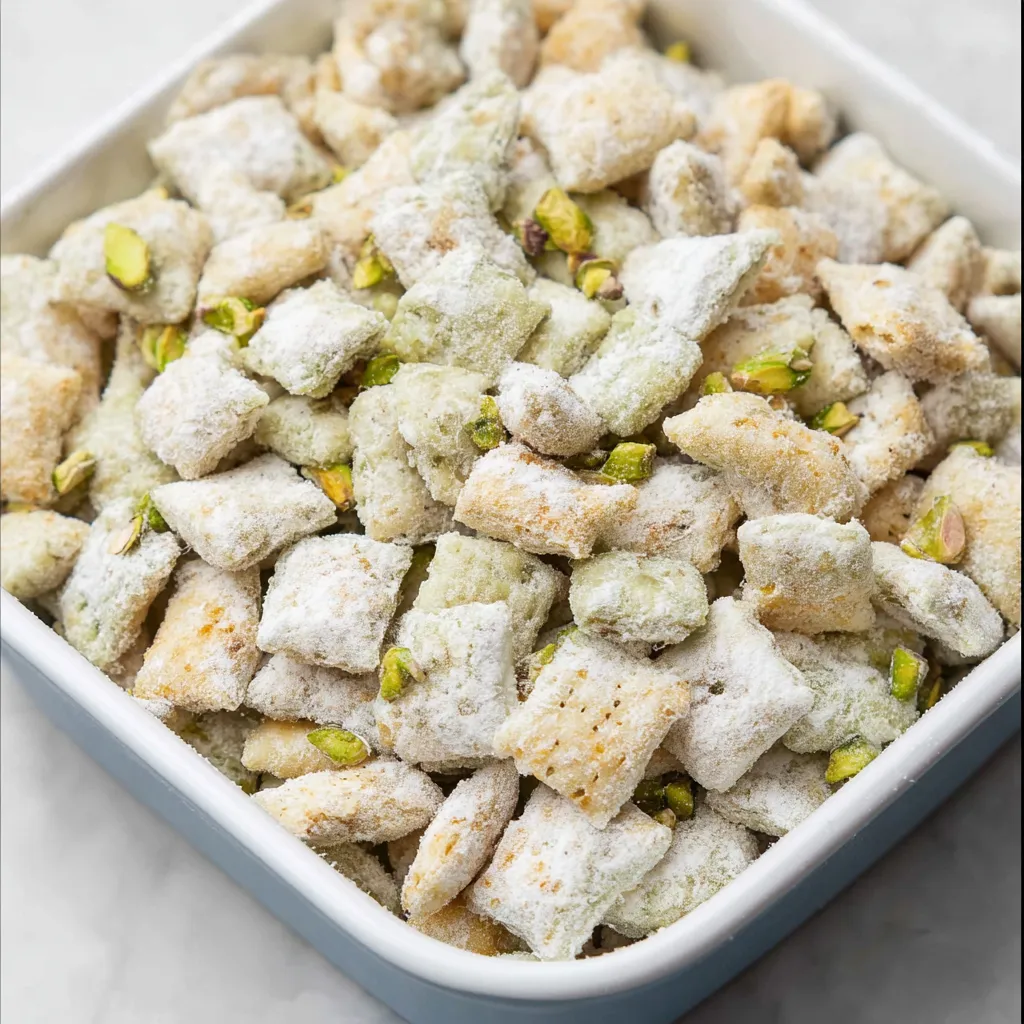
Imagine biting into a warm, flaky scone, infused with the subtle sweetness of butternut squash and a hint of cinnamon. These aren’t your average scones; they’re a celebration of autumn, a hug in pastry form. I’ve spent years perfecting this recipe, tweaking the ingredients and techniques to achieve the perfect balance of flavor and texture. The first time I tried making butternut squash scones, they were dense and dry – a total disaster! But after countless attempts and a few secret ingredients, I finally cracked the code. Now, this recipe is a staple in my kitchen every fall, and I’m so excited to share it with you.

This recipe is perfect for a crisp fall morning, a cozy afternoon tea, or even a slightly-better-than-average Tuesday. The slightly sweet and nutty flavor of the butternut squash combines perfectly with warm spices, creating a truly irresistible treat. Plus, these scones are surprisingly easy to make, even for beginner bakers. The best part? They freeze beautifully, so you can always have a batch on hand for when the craving strikes. Let’s get baking!
Gathering Your Ingredients
Before we dive into the instructions, let’s make sure you have everything you need. Here’s a list of ingredients, along with some tips and substitutions:
The Core Ingredients
- Butternut Squash Puree: 1 cup (canned or homemade). Make sure it’s 100% butternut squash, not pumpkin pie filling. If using homemade, roast the squash until tender and then puree it in a food processor.
- All-Purpose Flour: 2 1/2 cups. I prefer unbleached all-purpose flour for its texture and flavor.
- Granulated Sugar: 1/2 cup. Adds sweetness and helps with browning.
- Baking Powder: 2 1/2 teaspoons. This is crucial for creating a light and fluffy texture.
- Baking Soda: 1/2 teaspoon. Helps with browning and adds a slightly tangy flavor.
- Salt: 1/2 teaspoon. Enhances the flavors of the other ingredients.
- Cold Unsalted Butter: 1/2 cup (1 stick), cut into small cubes. The colder the butter, the flakier the scones will be.
- Heavy Cream: 1/2 cup, plus extra for brushing. Adds richness and moisture.
- Egg: 1 large. Contributes to the structure and flavor of the scones.
- Vanilla Extract: 1 teaspoon. Enhances the overall flavor profile.
- Cinnamon: 1 teaspoon. Adds warmth and spice.
- Nutmeg: 1/4 teaspoon. Complements the cinnamon and butternut squash.
Optional Glaze Ingredients
- Powdered Sugar: 1 cup. Provides sweetness and a smooth texture.
- Milk or Heavy Cream: 2-3 tablespoons. Adjust to reach desired consistency.
- Vanilla Extract: 1/2 teaspoon. Adds flavor to the glaze.
Pro Tip: For the best flavor, use high-quality ingredients. Freshly grated nutmeg makes a huge difference!
Preparing the Butternut Squash Puree
You can use canned butternut squash puree for convenience, but I highly recommend making your own. It’s incredibly easy and tastes so much better.
Roasting the Squash
- Preheat your oven to 400°F (200°C).
- Cut the butternut squash in half lengthwise and scoop out the seeds.
- Brush the cut sides with olive oil and sprinkle with salt and pepper.
- Place the squash cut-side down on a baking sheet lined with parchment paper.
- Roast for 45-60 minutes, or until the squash is tender and easily pierced with a fork.
- Let the squash cool slightly, then scoop out the flesh and puree it in a food processor until smooth.
Why Homemade is Best
Homemade butternut squash puree has a richer, more complex flavor than the canned stuff. Plus, you can control the sweetness and moisture content. If you’re short on time, canned puree will work just fine, but I encourage you to try making your own at least once. You won’t regret it!
Combining the Dry Ingredients
Now that our butternut squash puree is ready, let’s move on to the dry ingredients. This step is crucial for ensuring that the baking powder and baking soda are evenly distributed throughout the flour, which will result in light and fluffy scones.
The Mixing Process
- In a large bowl, whisk together the flour, sugar, baking powder, baking soda, salt, cinnamon, and nutmeg.
- Make sure there are no lumps of baking powder or baking soda.
Why Whisking is Important
Whisking not only combines the dry ingredients but also aerates the flour, which helps to create a lighter texture. Don’t skip this step!
Cutting in the Butter
This is where the magic happens. Cutting cold butter into the dry ingredients creates small pockets of fat that melt during baking, resulting in flaky layers. This is a technique similar to making pie crust, and it’s essential for achieving the perfect scone texture.
The Cold Butter Secret
- Add the cold, cubed butter to the bowl with the dry ingredients.
- Use a pastry blender or your fingertips to cut the butter into the flour mixture.
- Work quickly to prevent the butter from melting.
- The mixture should resemble coarse crumbs, with some pea-sized pieces of butter remaining.
Expert Tip: If your hands tend to run warm, try using a pastry blender or even freezing the butter for 15 minutes before cutting it in.
Adding the Wet Ingredients
Now it’s time to bring everything together. Gently combine the wet ingredients with the dry ingredients, being careful not to overmix. Overmixing will develop the gluten in the flour, resulting in tough, dense scones.
The Gentle Touch
- In a separate bowl, whisk together the butternut squash puree, heavy cream, egg, and vanilla extract.
- Pour the wet ingredients into the bowl with the dry ingredients.
- Use a rubber spatula to gently fold the ingredients together until just combined.
- The dough will be slightly shaggy and sticky.
Avoiding Overmixing
Resist the urge to keep mixing until the dough is perfectly smooth. A few streaks of flour are perfectly fine. The key is to stop mixing as soon as the ingredients are combined.
Shaping and Baking the Scones
We’re almost there! Now it’s time to shape the scones and get them into the oven. This is where you can get creative and experiment with different shapes and sizes.
Shaping Techniques
- Turn the dough out onto a lightly floured surface.
- Gently pat the dough into a 1-inch thick circle.
- Use a sharp knife or a biscuit cutter to cut the dough into 8 wedges or circles.
- Place the scones on a baking sheet lined with parchment paper.
Baking to Perfection
- Brush the tops of the scones with heavy cream. This will help them brown beautifully in the oven.
- Bake in the preheated oven for 18-20 minutes, or until the scones are golden brown and a toothpick inserted into the center comes out clean.
- Let the scones cool on a wire rack for a few minutes before serving.

Glazing Optional
While these butternut squash scones are delicious on their own, a simple glaze adds a touch of sweetness and elegance. This step is entirely optional, but I highly recommend it!
Making the Glaze
- In a small bowl, whisk together the powdered sugar, milk or heavy cream, and vanilla extract until smooth.
- Adjust the amount of liquid to reach your desired consistency.
- Drizzle the glaze over the warm scones.
- Let the glaze set for a few minutes before serving.
Flavor Variation: For a spiced glaze, add a pinch of cinnamon or nutmeg to the powdered sugar.
Expert Tips for the Best Butternut Squash Scones
Over the years, I’ve learned a few tricks that will help you make the best butternut squash scones possible. Here are my top tips:
- Use Cold Butter: This is the most important tip for flaky scones. Make sure your butter is cold and cut into small cubes.
- Don’t Overmix: Overmixing will develop the gluten in the flour, resulting in tough scones. Mix the ingredients until just combined.
- Handle the Dough Gently: Be careful not to overwork the dough when shaping the scones. The less you handle it, the lighter and flakier they will be.
- Bake at the Right Temperature: Make sure your oven is properly preheated to 400°F (200°C). Baking at the correct temperature will ensure that the scones rise properly and bake evenly.
- Don’t Skip the Cream Brush: Brushing the tops of the scones with heavy cream before baking will help them brown beautifully.
FAQ: Your Butternut Squash Scone Questions Answered
Can I use pumpkin puree instead of butternut squash puree?
While you can substitute pumpkin puree, the flavor and texture will be slightly different. Butternut squash has a sweeter, nuttier flavor and a smoother texture than pumpkin. If you do use pumpkin puree, I recommend adding a pinch of extra cinnamon and nutmeg to compensate for the difference in flavor.
Can I make these scones ahead of time?
Yes, you can prepare the dough ahead of time and store it in the refrigerator for up to 24 hours. When you’re ready to bake, simply shape the scones and bake as directed. You can also bake the scones ahead of time and freeze them for later. To thaw, simply let them sit at room temperature for a few hours or warm them in a low oven.
Can I add other ingredients to these scones?
Absolutely! Feel free to get creative and add other ingredients to customize your scones. Some popular additions include chocolate chips, chopped nuts, dried cranberries, or even a sprinkle of cheese. Just be sure not to add too many ingredients, as this can weigh down the dough.
How do I store leftover scones?
Leftover scones can be stored in an airtight container at room temperature for up to 2 days. For longer storage, you can freeze them for up to 2 months. To reheat, simply warm them in a low oven or microwave for a few seconds.
Why are my scones dry?
Dry scones are usually the result of overmixing or using too much flour. Be sure to measure your ingredients accurately and avoid overmixing the dough. If your scones are consistently dry, try adding a tablespoon or two of extra heavy cream to the dough.
Sharing the Warmth of Butternut Squash Scones
These butternut squash scones are more than just a recipe; they’re a symbol of autumn, a reminder of cozy days and comforting flavors. I hope you enjoy making them as much as I do. I’ve tested this recipe countless times, tweaking and perfecting it until it’s just right. I know you will love them too! Now, it’s your turn to create some magic in your kitchen. Don’t forget to snap a photo of your creations and share them with me on social media using #ButternutSconeMagic. Happy baking!
PrintButternut Squash Scones Surprisingly Easy Delicious

Easy butternut squash scones recipe Surprisingly delicious fall baking Enjoy these savorysweet treats Simple tech amazing flavor 146 chars
- Prep Time: 15 minutes
- Cook Time: 20 minutes
- Total Time: 35 minutes
- Yield: 8 scones
- Category: Breakfast, Dessert
- Cuisine: American