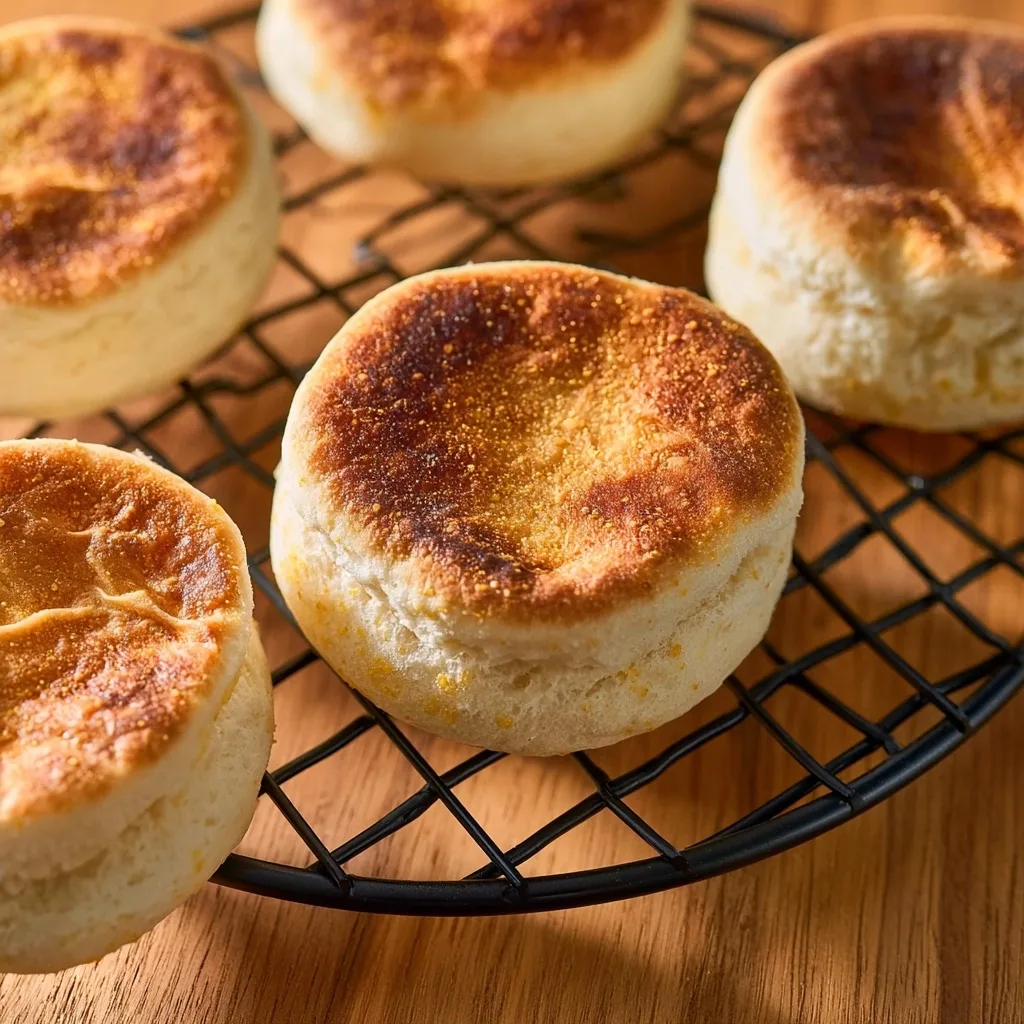
There’s just something magical about a weekend morning, isn’t there? For me, it often starts with the smell of something baking, and lately, that something has been these incredible English muffins. I used to think English muffins were strictly a bakery item, but once I tried making them myself, I was hooked! This Homemade English Muffin Recipe has become a staple in my kitchen, bringing such a cozy, comforting start to any day. They’re so much better than anything store-bought, with that perfect nooks and crannies texture.
Why You’ll Love This Homemade English Muffin Recipe
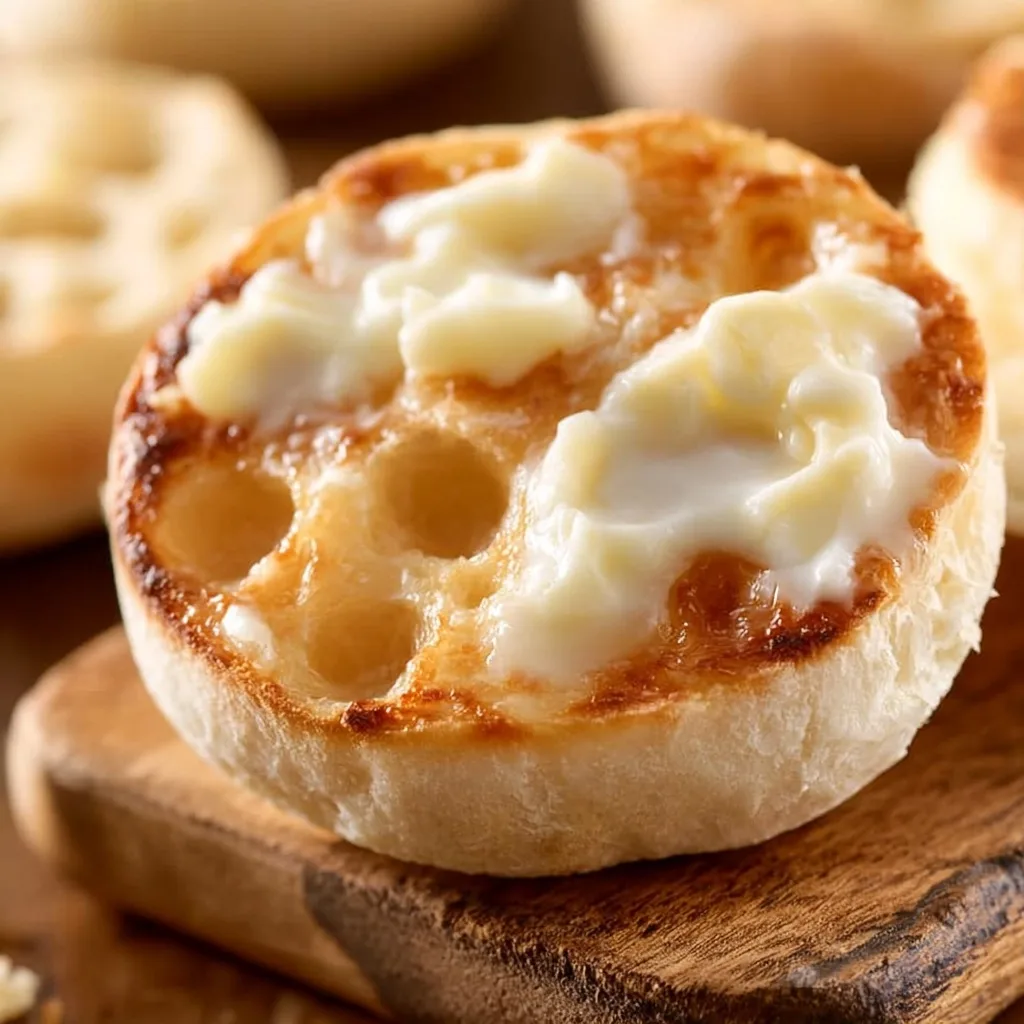
- They have the best texture! Think crispy edges and those iconic, airy “nooks and crannies” inside.
- The flavor is out of this world – far superior to anything you’ll find at the grocery store.
- They’re surprisingly simple to make, even for beginner bakers.
- Perfect for a special brunch or a cozy breakfast at home any day of the week.
Ingredients You’ll Need
- Instant Dry Yeast: This is what makes your muffins light and airy! Make sure it’s fresh and active for the best rise.
- Granulated Sugar: Not just for sweetness, sugar helps activate the yeast and gives it something to “feed” on. You can totally use raw sugar here too.
- All-Purpose Flour: The backbone of our dough! No fancy flours needed for this recipe.
- Milk: Adds richness and helps create a tender crumb.
- Butter: Melted and cooled butter makes the dough soft and flavorful. I usually use salted, but unsalted works just as well.
- Cornmeal: This is a secret weapon! It keeps the dough from sticking and helps create that signature English muffin bottom without affecting the taste.
How to Make Homemade English Muffin Recipe Step by Step
Let’s get baking! First, in a big mixing bowl, you’ll combine your warm water, yeast, and sugar. Give it a gentle mix and then just let it hang out for 3 to 4 minutes. You’re looking for it to get foamy – that’s your yeast telling you it’s alive and ready to work its magic! This is a good sign that your muffins will rise beautifully.
Next, you’ll start adding the flour and salt, alternating with the milk. Stir it all together until most of the flour is incorporated. Then, add your cooled melted butter. It’s important the butter isn’t too hot, because we don’t want to hurt our active yeast. Keep mixing until you have a nice ball of dough with no dry flour visible. A spoon or a Danish whisk works great here, or just get in there with your hands! Once your dough ball is formed, cover the bowl with plastic wrap and find a warm, cozy, draft-free spot for it to rise for 60 to 90 minutes. This is where the first rise happens, and the dough should double in size.
After your dough has happily risen, turn it out onto a lightly floured surface. And when I say lightly, I mean just a couple of tablespoons of flour. Roll the dough out to about ½ inch thick. Now for the fun part: grab a 3-inch round cutter and cut out your muffins! You’ll probably cut a few, gather the scraps, gently re-roll, and cut more until you have 8 circles. Sprinkle some cornmeal on a cookie sheet, carefully place your cut muffins on it, and cover them with a towel for their second rise, about 45 minutes. This second rise is crucial for those lovely nooks and crannies.
My Top Tips for Success
- I always make sure my water for the yeast isn’t too hot – just warm to the touch, like bathwater.
- In my experience, letting the dough rise in a slightly warm oven (turned off, of course!) is a great draft-free spot.
- Trust me on this one: the cornmeal on the cookie sheet is a game-changer for preventing sticking.
- When you’re cooking them, don’t overcrowd the pan. Cook in batches if needed for even browning.
- I always check the internal temperature with a thermometer to make sure they’re perfectly cooked through to 190°F.
Common Mistakes to Avoid
- Overheating the yeast: If your water is too hot, it will kill the yeast, and your dough won’t rise. Make sure it’s just warm, not hot.
- Adding hot butter: Similar to the water, hot butter can harm your yeast. Always let melted butter cool before adding it to the dough.
- Over-mixing the dough: While a stand mixer can be used, over-mixing can make the muffins tough. Mix just until combined and no dry flour remains.
- Not using cornmeal for the second rise: Without cornmeal, the dough can stick to the sheet, and moving them might deflate them, leading to flatter muffins.
- Not covering the pan during cooking: Covering the pan helps steam the muffins, ensuring they cook through evenly without burning the crust.
How to Store Homemade English Muffin Recipe
- Room Temperature: Store in an airtight container or bag for up to 2-3 days.
- Refrigerator: Keep in an airtight container for up to 1 week.
- Freezer: Wrap individual muffins tightly in plastic wrap, then place in a freezer-safe bag for up to 3 months. Thaw at room temperature or toast directly from frozen.
Frequently Asked Questions
What if my yeast doesn’t foam?
If your yeast doesn’t foam, it’s likely inactive. This means it’s either too old or the water was too hot or cold. You’ll need to start again with fresh yeast and properly tempered water.
Can I use whole wheat flour?
While this recipe is designed for all-purpose flour, you could try substituting a portion (up to half) with whole wheat flour. The texture might be a bit denser, but it will still be delicious.
Why are my English muffins flat?
Flat English muffins can happen if the yeast wasn’t active, the dough didn’t rise enough, or if they were handled too roughly after the second rise, causing them to deflate. Be gentle with them!
Do I need a special pan to cook them?
A non-stick pan or a well-seasoned cast iron skillet with a lid works best. The lid is important for creating steam, which helps them cook through.
Can I make the dough ahead of time?
Yes, you can make the dough, let it complete its first rise, then punch it down gently and refrigerate it overnight. Let it come to room temperature for about 30-60 minutes before rolling and cutting.
I really hope you give this Homemade English Muffin Recipe a try! There’s nothing quite like pulling warm, fresh English muffins off the griddle. They’re perfect with butter and jam, or as the base for an amazing eggs Benedict. If you make them, please let me know how they turn out!
PrintHomemade English Muffin Recipe

These homemade English muffins are incredibly soft, airy, and full of nooks and crannies, perfect for breakfast or brunch.
- Prep Time: 20
- Cook Time: 30
- Total Time: 150
- Yield: 8 servings
- Category: Breakfast
- Method: Griddle
- Cuisine: American
Ingredients
- ½ cup warm water
- 2¼ tsp instant dry yeast or 1 envelope
- 2 tbsp granulated sugar you can use raw sugar
- 2¾ cups all-purpose flour
- 1 tsp salt
- ⅔ cup milk
- 2 tbsp butter melted, cooled
- Cornmeal optional so the dough does not stick to the cookie sheet after the second rise
Instructions
- In a large mixing bowl, mix the warm water, yeast, and sugar.
- Let it sit for 3 to 4 minutes until the mixture foams up.
- Add the flour and salt, mixing alternating with the milk.
- Once the flour is almost all incorporated, add the melted butter.
- Mix until you have a ball form and no more dry flour is visible.
- Cover the bowl with plastic wrap.
- Place the bowl in a warm, draft-free place to rise for 60 to 90 minutes, until doubled in size.
- Place the risen dough on a lightly floured surface.
- Roll the dough about ½ inch thick.
- Using a 3-inch round cutter, cut into 8 circles.
- Sprinkle cornmeal on a cookie sheet.
- Place the cut English muffins on the cookie sheet.
- Cover with a towel.
- Allow the dough to rise in a warm, draft-free place for 45 minutes.
- Heat a non-stick pan or a well-seasoned cast iron skillet with a lid on medium heat.
- Add 3 or 4 English muffins at a time to the hot skillet, depending on its size.
- Cover the skillet.
- Cook for 5 minutes.
- Carefully flip the English muffins.
- Cook for an additional 4 to 5 minutes.
- Ensure the internal temperature reaches 190 °F.
- Cool on a cooling rack.
Notes
Ensure your yeast is active by letting it foam in warm water before adding other ingredients.
Do not overheat the butter; let it cool after melting to protect the yeast.
Cornmeal is crucial for preventing sticking and achieving the characteristic English muffin bottom.
Handle the risen muffins very gently to maintain their airy structure before cooking.
Use a lid while cooking to create steam, which helps the muffins cook through without burning.