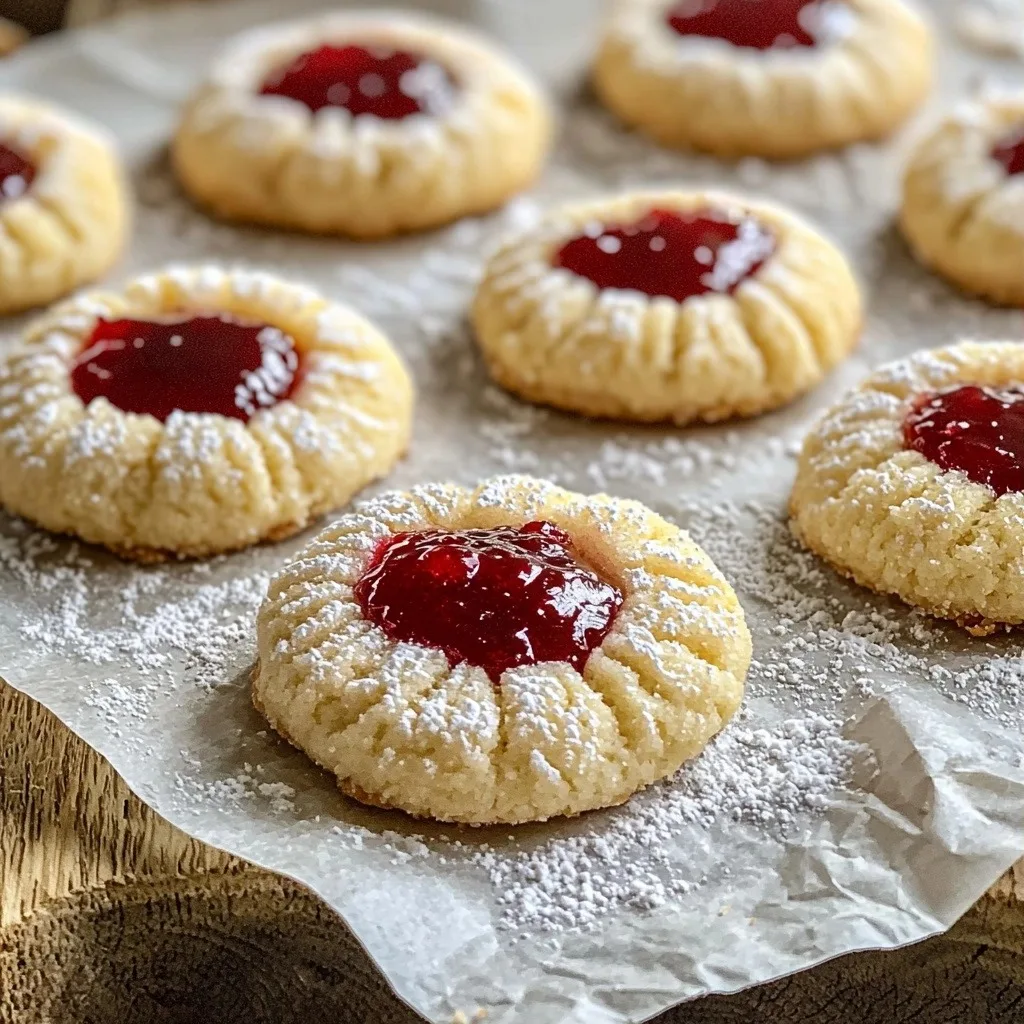
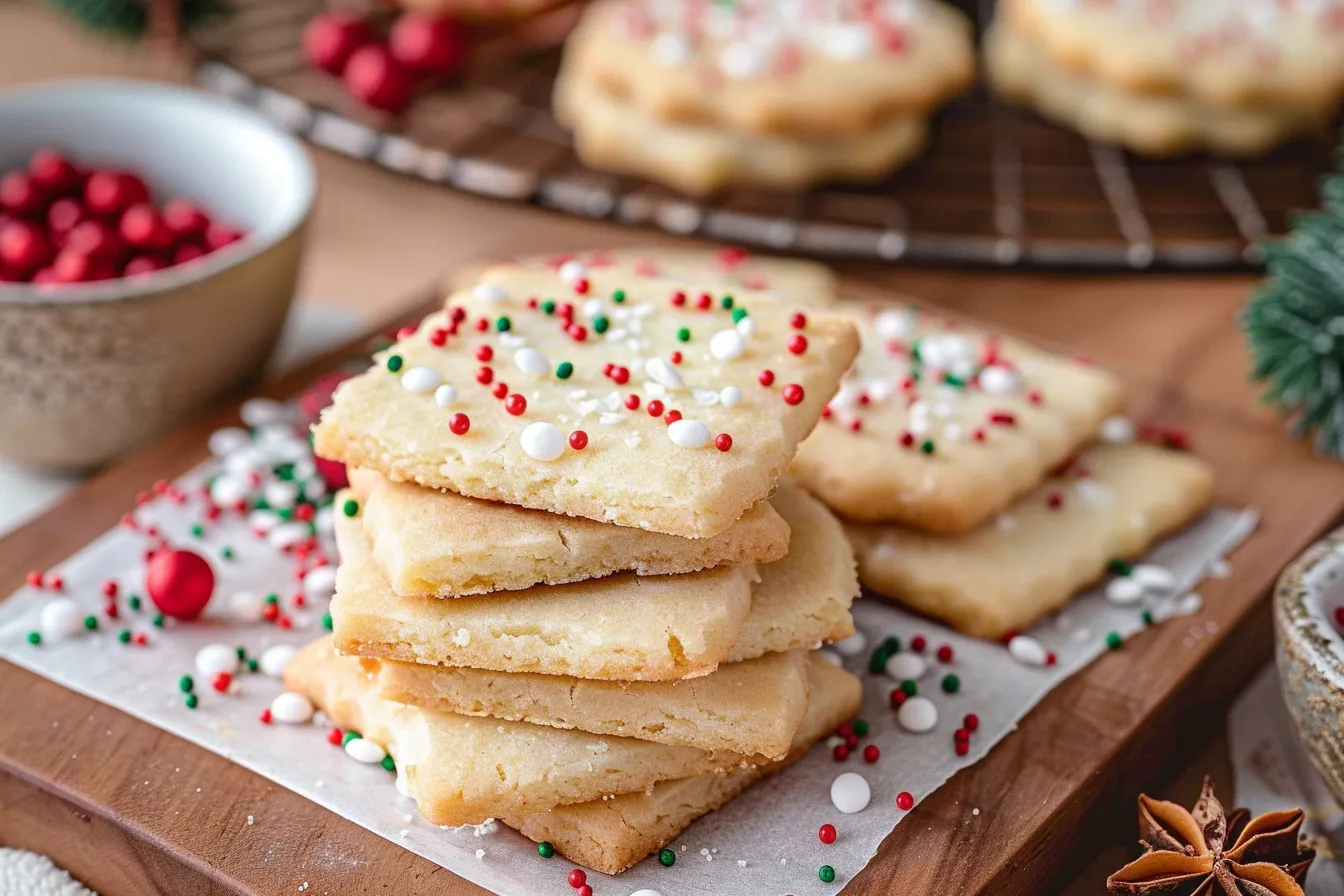
Is there anything that says “Christmas” quite like the buttery, crumbly goodness of shortbread cookies? These Christmas shortbread cookies are a holiday staple, a comforting classic that evokes memories of cozy evenings by the fire, the scent of pine needles, and the joy of sharing sweet treats with loved ones. As December rolls around, my kitchen transforms into a shortbread bakery, filled with the aroma of butter and sugar mingling in perfect harmony. This year, I’m sharing my tried and true recipe a recipe honed over years of holiday baking – to help you create the most melt in your mouth shortbread cookies that will become a cherished tradition in your own family.
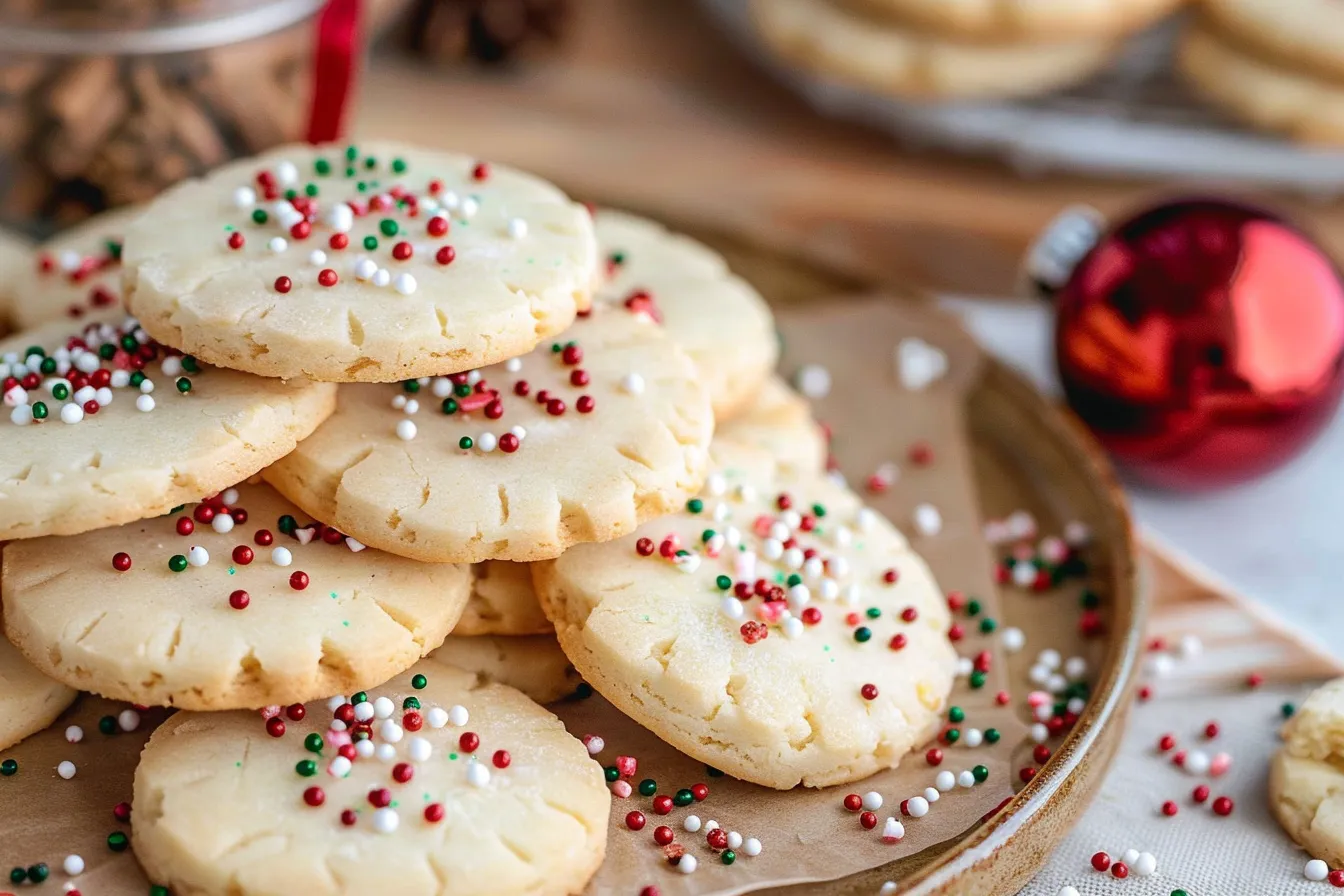
I’ve spent years perfecting this recipe, tweaking and testing to achieve the ideal balance of flavor and texture. From choosing the right butter to mastering the art of the perfect bake, I’ll guide you through every step of the process, ensuring your cookies are a resounding success. Shortbread cookies are more than just a sweet treat; they’re a symbol of warmth, generosity, and the spirit of Christmas. So grab your ingredients, put on some festive music, and let’s create some holiday magic together!
Baking shortbread is a delightful way to embrace the holiday season, and these cookies are perfect for gifting, cookie exchanges, or simply enjoying with a cup of tea on a cold winter’s night. With their simple elegance and irresistible flavor, they’re sure to be a hit with everyone. Get ready to spread some holiday cheer, one delicious bite at a time.
Ingredients for Perfect Christmas Shortbread Cookies
The beauty of shortbread lies in its simplicity. You only need a handful of ingredients, but the quality of those ingredients is key to achieving that signature buttery, crumbly texture. Let’s break down each ingredient and explore why it matters.
- Butter: Unsalted butter is the star of the show. Use high quality butter with a high fat content (European style butter is excellent) for the best flavor and texture. Make sure your butter is softened to room temperature but still cool to the touch. This ensures it creams properly with the sugar.
- Granulated Sugar: While some shortbread recipes use powdered sugar, I prefer granulated sugar for a slightly crisper texture. The granulated sugar crystals create tiny air pockets that contribute to the cookie’s delicate crumb.
- All Purpose Flour: Plain all purpose flour works best. Avoid using self rising flour, as it will make the cookies too puffy. For a more tender shortbread, you can substitute a portion of the all purpose flour with cake flour.
- Salt: A pinch of salt enhances the sweetness and balances the flavors.
- Optional Flavorings: Vanilla extract, almond extract, lemon zest, or a sprinkle of cinnamon can add a delightful twist to your shortbread cookies. Use them sparingly to avoid overpowering the buttery flavor.
Ingredient Science: The ratio of fat (butter) to flour is crucial in shortbread. The high fat content inhibits gluten development, resulting in a tender, crumbly texture. The sugar adds sweetness and contributes to the cookie’s structure. Salt enhances the flavors and balances the sweetness.
Substitution Tips:
- Butter: If you’re dairy free, you can use a plant based butter alternative, but be aware that it may affect the texture of the cookies. Choose a brand with a high fat content for best results.
- Sugar: You can experiment with using caster sugar (superfine sugar) for an even more delicate texture.
- Flour: For a gluten free option, use a high quality gluten free all purpose flour blend.
Expert Tips for Shortbread Success
After countless batches of shortbread, I’ve learned a few tricks that guarantee perfect cookies every time. Here are some of my top tips:
- Don’t Overmix: Overmixing develops gluten, which will result in tough cookies. Mix the ingredients just until they come together.
- Chill the Dough: Chilling the dough for at least 30 minutes (or even overnight) allows the gluten to relax and the butter to firm up, preventing the cookies from spreading too much in the oven.
- Roll Evenly: Roll the dough to an even thickness to ensure the cookies bake uniformly. Use a rolling pin with guides or dowels for consistent results.
- Prick with a Fork: Pricking the dough all over with a fork prevents the cookies from puffing up during baking.
- Bake Low and Slow: Baking the cookies at a low temperature for a longer period of time allows them to dry out and become crisp without browning too much.
- Don’t Overbake: Shortbread cookies should be pale golden in color. Overbaking will make them dry and crumbly.
- Cool Completely: Let the cookies cool completely on the baking sheet before transferring them to a wire rack. They will be very fragile when warm.
Personal Testing Notes: I’ve found that using a stand mixer with the paddle attachment works best for creaming the butter and sugar. However, you can also use a hand mixer or even mix by hand. The key is to ensure the butter and sugar are fully incorporated.
Pro Insights: For a more intense buttery flavor, try browning the butter before adding it to the dough. This will give the cookies a nutty, caramel like taste. You can also add a touch of rice flour to the dough for an extra crisp texture.

Storage & Substitutions for Your Shortbread
Knowing how to store your shortbread properly and understanding potential substitutions can help you enjoy these cookies at their best and adapt the recipe to your dietary needs or preferences.
Storage:
- Room Temperature: Store your Christmas shortbread cookies in an airtight container at room temperature for up to a week. This helps to maintain their crispness and prevent them from drying out.
- Freezing: For longer storage, you can freeze the baked cookies for up to 2 months. Wrap them tightly in plastic wrap and then place them in a freezer safe container. Thaw them at room temperature before serving. You can also freeze the unbaked dough. Wrap it tightly and thaw it in the refrigerator overnight before rolling and baking.
Substitutions:
- Flour: For a slightly different texture, replace up to one third of the all purpose flour with rice flour or cornstarch. This will result in a more tender and delicate shortbread.
- Sweetener: While granulated sugar is traditional, you can experiment with other sweeteners like brown sugar for a richer, molasses like flavor.
- Flavorings: Get creative with your flavorings! Add citrus zest, chopped nuts, dried fruit, or even chocolate chips to customize your shortbread cookies.
Consider using different shapes and sizes for your cookies to add visual appeal. Cookie cutters in festive shapes like stars, trees, and snowflakes are perfect for Christmas.
FAQ: Your Shortbread Questions Answered
Why are my shortbread cookies dry?
Dry shortbread cookies are often the result of overbaking or using too much flour. Make sure to measure your flour accurately and avoid overbaking the cookies. They should be pale golden in color, not brown.
Why are my shortbread cookies spreading?
Spreading is usually caused by using butter that is too soft or not chilling the dough properly. Ensure your butter is softened but still cool to the touch and chill the dough for at least 30 minutes before baking.
Can I make shortbread without butter?
While traditional shortbread relies heavily on butter for its flavor and texture, you can use a plant-based butter alternative. However, be aware that it may affect the final result. Choose a brand with a high fat content for the best outcome.
How do I get my shortbread cookies to be crumbly?
The key to crumbly shortbread is using a high ratio of butter to flour and avoiding overmixing. Overmixing develops gluten, which will make the cookies tough. Mix the ingredients just until they come together.
Can I add chocolate chips to shortbread?
Yes, you can definitely add chocolate chips to shortbread! Add about 1/2 cup of mini chocolate chips to the dough just before rolling it out. White chocolate chips or chopped dark chocolate also work well.
How long does shortbread dough last in the fridge?
Shortbread dough can last in the refrigerator for up to 3 days. Wrap it tightly in plastic wrap to prevent it from drying out.
What is the secret to perfect shortbread?
The secret to perfect shortbread is using high-quality ingredients, maintaining the correct butter-to-flour ratio, chilling the dough thoroughly, and baking the cookies at a low temperature until they are pale golden in color.
Bake Up Some Holiday Cheer!
These Christmas shortbread cookies are more than just a recipe; they’re an invitation to create cherished memories with loved ones. From the comforting aroma of baking butter to the satisfying crunch of each bite, shortbread embodies the spirit of the season. I encourage you to try this recipe and make it your own. Experiment with different flavorings, shapes, and decorations to create a truly unique holiday treat.
Don’t forget to share your creations with us! Tag us on social media with your shortbread masterpieces. We love seeing your baking adventures! And if you enjoyed this recipe, be sure to check out my other holiday baking favorites, like my Gingerbread Cookie Recipe, my Classic Sugar Cookies, and my Festive Fudge. Happy baking and happy holidays!
I hope this recipe brings you as much joy as it has brought me and my family over the years. Happy Holidays and happy baking!
`
Easy Christmas Shortbread Cookies That Melt

Easy Christmas Shortbread Cookies that melt in your mouth Get the simple recipe and bake perfect cookies Try it today
- Prep Time: 15 minutes
- Cook Time: 20 minutes
- Total Time: 35 minutes
- Yield: 24 cookies
- Category: Cookie
- Cuisine: Christmas
Ingredients
Instructions
Notes
Indulge in the buttery, crumbly goodness of Christmas shortbread cookies! This classic recipe evokes memories of cozy evenings, the scent of pine, and the joy of sharing sweet treats. A tried-and-true recipe honed over years of holiday baking.