Thanksgiving is more than just a holiday; it’s a feeling. It’s the warmth of the oven, the comforting aroma of spices, and the joyful anticipation of sharing a delicious meal with loved ones. And at the heart of it all is the turkey. But let’s be honest, achieving that perfectly golden, juicy, and flavorful bird can be a daunting task. This year, ditch the stress and embrace a foolproof method for creating the best Thanksgiving turkey you’ve ever tasted. We’re talking crispy skin, succulent meat, and a flavor that will have everyone reaching for seconds. This recipe combines proven techniques with a few of my personal secrets, guaranteeing a show-stopping centerpiece for your holiday feast. Get ready to become the Thanksgiving hero!
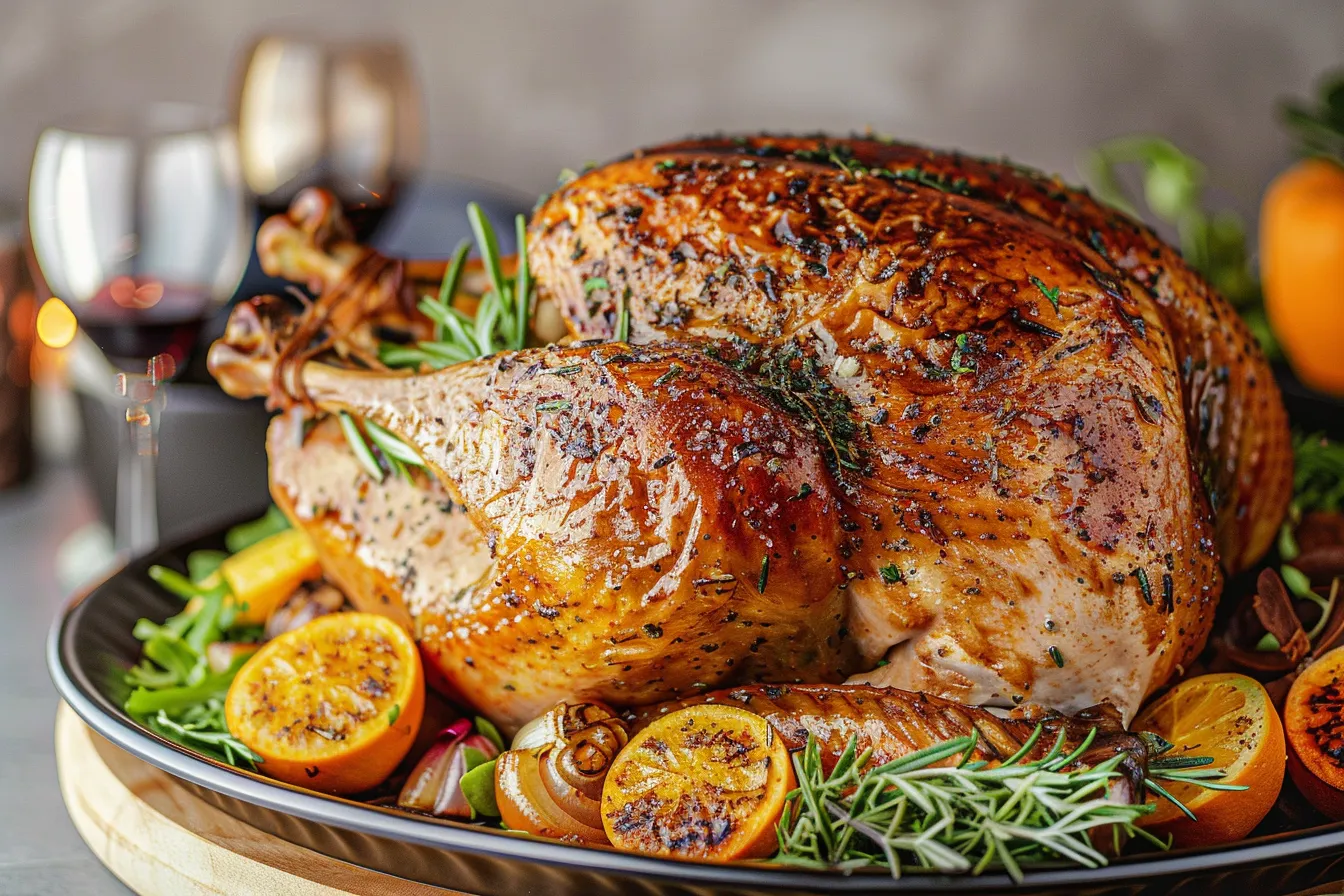
I’ve spent years perfecting my Thanksgiving turkey recipe, drawing from family traditions and culinary experimentation. My experience ranges from large-scale holiday catering to intimate family gatherings, and each year I refine my method based on feedback and new discoveries. The key is understanding the science behind the bird – how heat affects the protein, how moisture contributes to tenderness, and how different flavor combinations can elevate the overall experience. With Thanksgiving dinner being such a popular topic in November, it’s crucial to have a reliable, easily accessible recipe that delivers consistently excellent results, making this recipe perfect for both seasoned cooks and nervous first-timers.
Ingredients for Thanksgiving Perfection
The quality of your ingredients will significantly impact the final flavor of your Thanksgiving turkey. Let’s break down each element and explore some substitutions if needed.
- Turkey (12-14 lbs): Choose a fresh or fully thawed frozen turkey. Fresh turkeys generally have better texture, but frozen are more convenient. Look for a bird that is plump and has good color. The size will feed approximately 8-10 people.
- Unsalted Butter (1 cup, softened): Butter adds richness and helps achieve that crispy, golden skin. The fat molecules transfer heat efficiently, promoting even browning. If you’re dairy-free, substitute with olive oil or a vegan butter alternative.
- Fresh Herbs (Sage, Rosemary, Thyme): These herbs provide a classic Thanksgiving aroma and flavor. Use about 2 tablespoons of each, chopped. Dried herbs can be substituted (use 1 tablespoon of each), but fresh is always preferred for their vibrant aroma and flavor.
- Garlic (4 cloves, minced): Garlic adds a savory depth of flavor. The allicin compounds in garlic contribute to its pungent aroma and taste. If you don’t have fresh garlic, use 1 teaspoon of garlic powder.
- Lemon (1, quartered): Lemon brightens the flavor and helps tenderize the turkey. The citric acid helps to break down the proteins in the bird, resulting in a more tender final product.
- Onion (1, quartered): Onion adds sweetness and aromatics to the turkey. As it roasts, it caramelizes and releases its natural sugars, adding depth to the overall flavor profile.
- Carrot (1, chopped): Similar to onion, carrot adds sweetness and aromatics. The beta-carotene in carrots also contributes to a beautiful golden color.
- Celery (2 stalks, chopped): Celery provides a subtle savory note and adds moisture to the roasting pan.
- Chicken Broth (2 cups): Chicken broth adds moisture to the roasting pan, preventing the turkey from drying out. It also creates flavorful drippings for gravy. Vegetable broth can be used as a substitute.
- Salt and Pepper: Essential for seasoning. Use kosher salt for best results, as it draws out moisture and enhances the turkey’s natural flavor.
Step by Step Instructions for the Perfect Bird
Follow these instructions carefully for a perfectly roasted Thanksgiving turkey.
- Prepare the Turkey: Remove the turkey from its packaging. Remove the giblets and neck from the cavity (these can be used for gravy!). Pat the turkey dry inside and out with paper towels. This is crucial for achieving crispy skin.
- Herb Butter: In a bowl, combine the softened butter, chopped sage, rosemary, thyme, and minced garlic. Mix well until fully incorporated.
- Season the Turkey: Generously season the turkey inside and out with salt and pepper. Don’t be afraid to be liberal with the seasoning!
- Herb Butter Application: Gently loosen the skin from the breast meat using your fingers. Carefully spread half of the herb butter mixture under the skin, directly onto the breast meat. This will infuse the breast with flavor and keep it moist. Rub the remaining herb butter all over the outside of the turkey.
- Stuff the Cavity: Stuff the turkey cavity with the quartered lemon and onion.
- Prepare the Roasting Pan: Place the chopped carrot and celery in the bottom of a roasting pan. Pour in the chicken broth.
- Roast the Turkey: Place the turkey on a roasting rack inside the roasting pan. Preheat your oven to 325°F (160°C).
- Roasting Time: Roast the turkey for approximately 3-4 hours, or until a meat thermometer inserted into the thickest part of the thigh registers 165°F (74°C).
- Basting (Optional): Baste the turkey with the pan juices every 30-45 minutes. Basting helps to keep the turkey moist and promotes even browning, but be sure not to open the oven too often, as this can lower the temperature and increase cooking time.
- Resting Time: Once the turkey is cooked, remove it from the oven and let it rest for at least 30 minutes before carving. This allows the juices to redistribute throughout the meat, resulting in a more tender and flavorful turkey. Cover loosely with foil during resting.
- Carve and Serve: Carve the turkey and serve with your favorite Thanksgiving sides.
Expert Tips for a Thanksgiving Turkey
Here are some of my personal tips and tricks for guaranteeing a delicious turkey.
- Brining: Consider brining your turkey for extra moisture. A brine is a saltwater solution that helps the turkey retain moisture during cooking. A simple brine can be made with salt, sugar, and water.
- Dry Brining: A dry brine, using only salt and herbs, can also be used. This helps create extra crispy skin.
- Spatchcocking: Spatchcocking, or butterflying, the turkey allows it to cook more evenly and quickly. This involves removing the backbone of the turkey so that it can lay flat.
- Meat Thermometer is Key: Always use a meat thermometer to ensure the turkey is cooked to a safe internal temperature. The thigh should register 165°F (74°C).
- Tent with Foil: If the turkey is browning too quickly, tent it with foil to prevent burning.
- Gravy Time: Use the pan drippings to make a delicious gravy. Simply strain the drippings, skim off the fat, and thicken with flour or cornstarch.
Storage Substitutions
Leftover turkey can be stored in the refrigerator for up to 3-4 days. Ensure it is properly wrapped or stored in an airtight container to prevent drying out.
- Turkey: If you can’t find a fresh turkey, a frozen turkey works just fine. Be sure to thaw it completely in the refrigerator for several days before cooking.
- Butter: Olive oil or vegan butter can be used as a substitute for butter.
- Herbs: Dried herbs can be used in place of fresh herbs. Use about half the amount of dried herbs as you would fresh herbs.
- Chicken Broth: Vegetable broth or water can be used as a substitute for chicken broth.
FAQ: Your Thanksgiving Turkey Questions Answered
How long should I thaw a frozen turkey?
Allow approximately 24 hours of thawing time for every 5 pounds of turkey. The safest way to thaw a turkey is in the refrigerator. Place the turkey on a tray to catch any drips.
What temperature should I cook my turkey at?
We recommend cooking your turkey at 325°F (160°C). This temperature allows for even cooking and helps to prevent the turkey from drying out.
How do I keep my turkey from drying out?
There are several ways to keep your turkey from drying out. Brining, basting, and using a roasting bag can all help to retain moisture. Also, be sure not to overcook the turkey.
How do I get crispy skin on my turkey?
To achieve crispy skin, pat the turkey dry inside and out with paper towels before cooking. Applying herb butter under the skin and avoiding over-basting can also help. Consider a dry brine for extra crispness.
What is the safe internal temperature for turkey?
The safe internal temperature for turkey is 165°F (74°C) in the thickest part of the thigh. Use a meat thermometer to ensure the turkey is cooked to the proper temperature.
Can I stuff the turkey instead of just the cavity?
Stuffing the turkey is fine, but it will increase the cooking time. Ensure the stuffing also reaches a safe internal temperature of 165°F (74°C) to avoid foodborne illness. For optimal results, consider cooking the stuffing separately.
What do I do if my turkey is browning too quickly?
If your turkey is browning too quickly, tent it with foil. This will help to slow down the browning process and prevent the skin from burning.
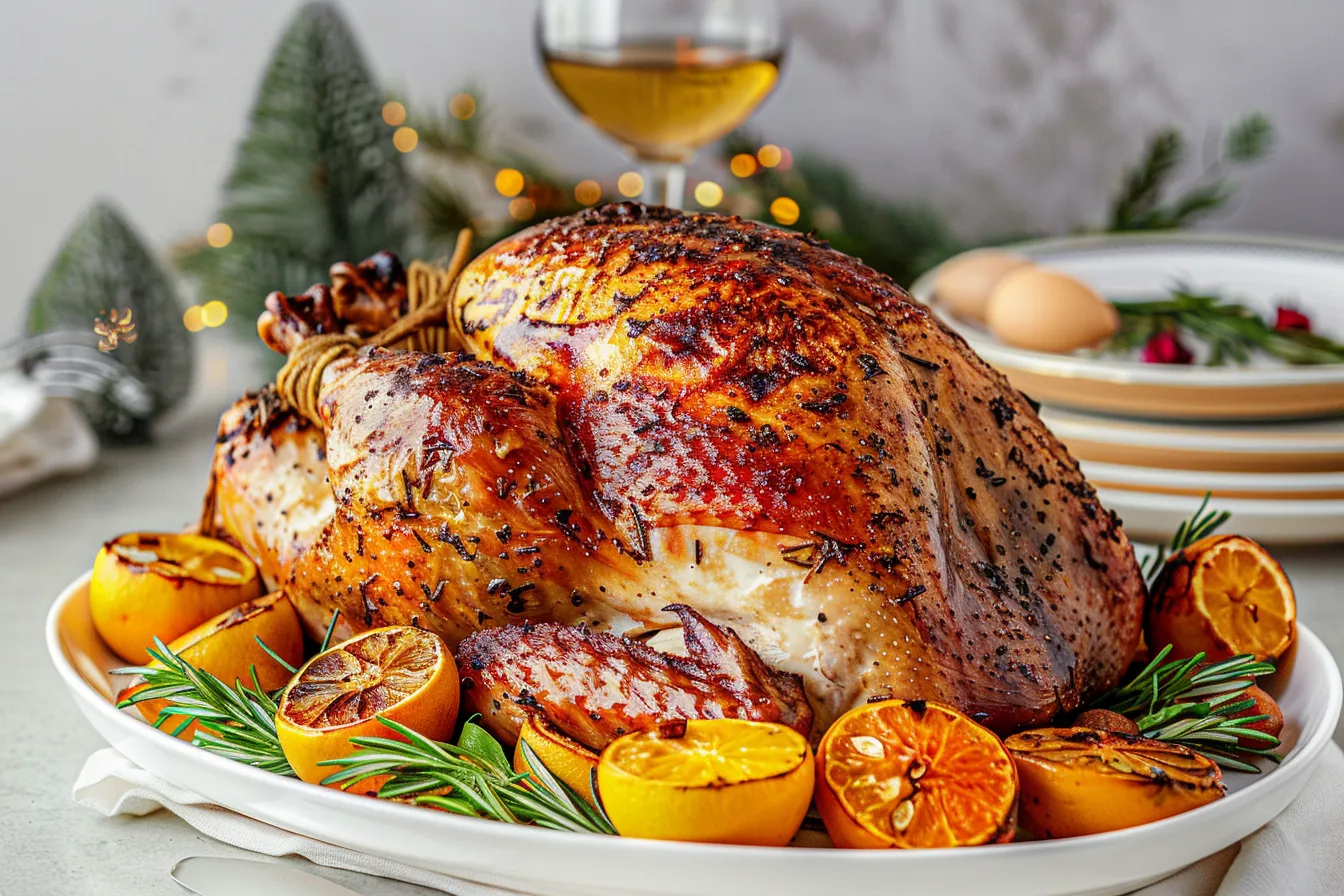
Your Best Thanksgiving Turkey Awaits
Congratulations! You’re now equipped with the knowledge and tools to create the best Thanksgiving turkey you’ve ever tasted. Remember to focus on quality ingredients, precise cooking techniques, and, most importantly, enjoying the process. Thanksgiving is about bringing people together, and a delicious turkey is the perfect centerpiece for creating lasting memories. Don’t forget to share your Thanksgiving creations with us on social media using #BestThanksgivingTurkey – we can’t wait to see your masterpieces!
PrintJuicy Thanksgiving Turkey
The Best Thanksgiving Turkey Recipe for a juicy flavorful bird every time Wow your guests and try it today
- Prep Time: 30 minutes
- Cook Time: 4 hours 0 minutes
- Total Time: 4 hours 30 minutes
- Yield: 8-10 servings
- Category: Main Course
- Cuisine: American
Ingredients
- Turkey (12-14 lbs)
- Unsalted Butter (1 cup, softened)
- Fresh Sage (2 tablespoons, chopped)
- Fresh Rosemary (2 tablespoons, chopped)
- Fresh Thyme (2 tablespoons, chopped)
- Garlic (4 cloves, minced)
- Lemon (1, quartered)
- Onion (1, quartered)
- Carrot (1, chopped)
- Celery (2 stalks, chopped)
- Chicken Broth (2 cups)
- Salt
- Pepper
Instructions
- Remove the turkey from its packaging and pat it dry inside and out with paper towels.
- Combine softened butter, sage, rosemary, thyme, and garlic in a bowl.
- Season the turkey inside and out with salt and pepper.
- Spread half of the herb butter under the skin of the breast meat and rub the remaining butter all over the outside of the turkey.
- Stuff the turkey cavity with the quartered lemon and onion.
- Place chopped carrot and celery in the bottom of a roasting pan and pour in the chicken broth.
- Place the turkey on a roasting rack inside the roasting pan. Preheat oven to 325°F (160°C).
- Roast the turkey for approximately 3-4 hours, or until a meat thermometer inserted into the thickest part of the thigh registers 165°F (74°C).
- Baste the turkey with the pan juices every 30-45 minutes (optional).
- Remove the turkey from the oven and let it rest for at least 30 minutes before carving. Cover loosely with foil.
- Carve and serve with your favorite Thanksgiving sides.